1st June, 2026. words by GONZALO VIEDMA. Piece with artist magazine.
Welcome to the new PWA section: PAGES & PILLARS, where we will talk about relevant buildings, especially libraries around the world, where you can read a good book, one of our articles, or simply visit them for pleasure. We will also leave a recommended book that usually talks about art, so that you can better understand art in general, and the great unknown abstract art.
The National Library of Iran, founded in 1937 and located in Tehran, is the country’s main institution for the preservation of documentary, historical, and bibliographic heritage. It houses an immense collection of Persian manuscripts, ancient documents, and modern publications, functioning as the legal deposit for all works produced in Iran.
Arquitecture
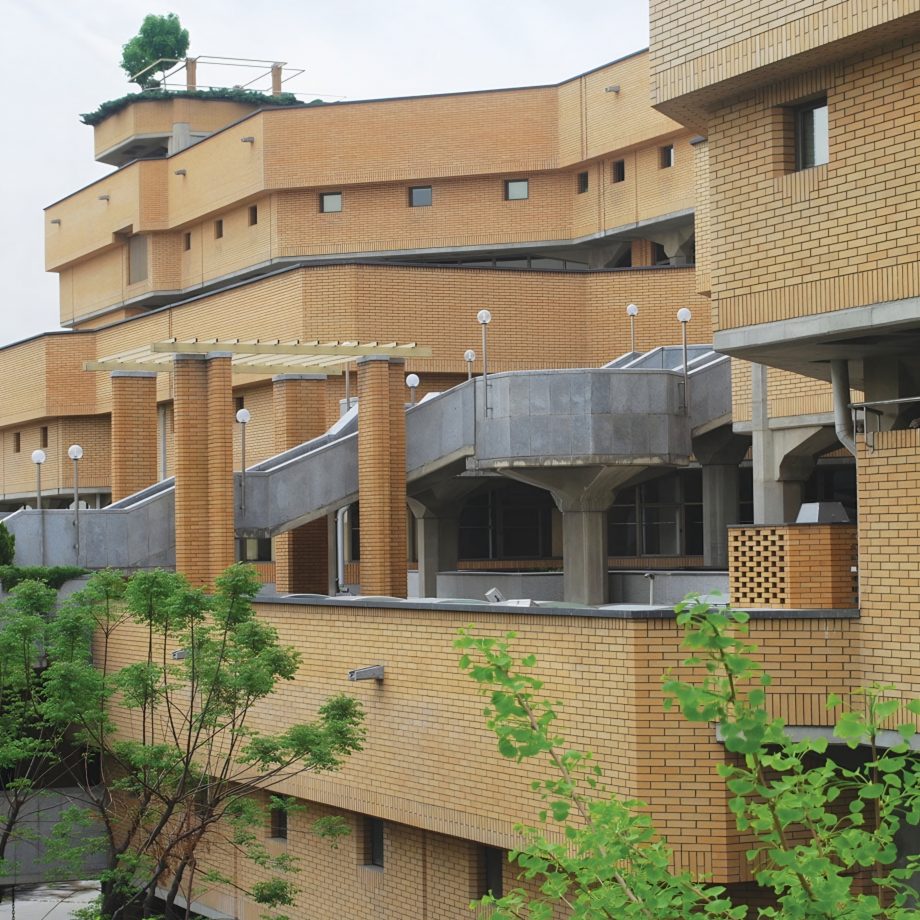
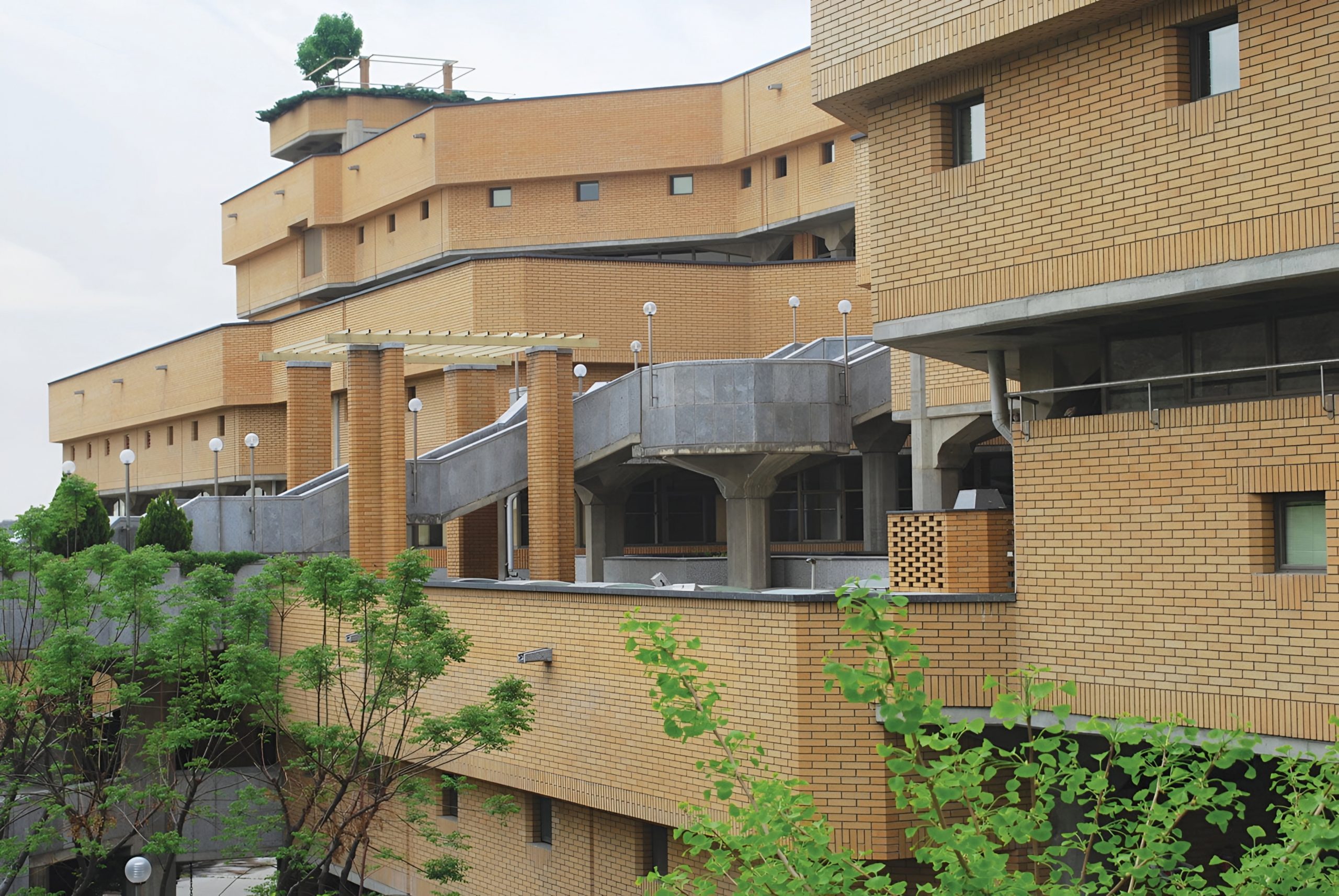
The architecture of the National Library of Iran is a fascinating mix of contemporary modernism with a deep Persian identity. The current building, inaugurated in 2004, is one of the most important cultural structures in the Middle East for its functional and symbolic design.
The architects of the modern building were the Iranian firm Pirraz Consulting Planners, Architects and Engineers. The key team consisted of: Yousef Shariatzadeh, lead architect who led the project vision; and the essential collaborators Mohsen Mirheydar and Yadollah Razaghi.
It is important to mention that the original building from the 1930s was designed by the French architect and archaeologist André Godard, who used red brick and a style that imitated the National Museum of Iran.
Architectural Style and Features
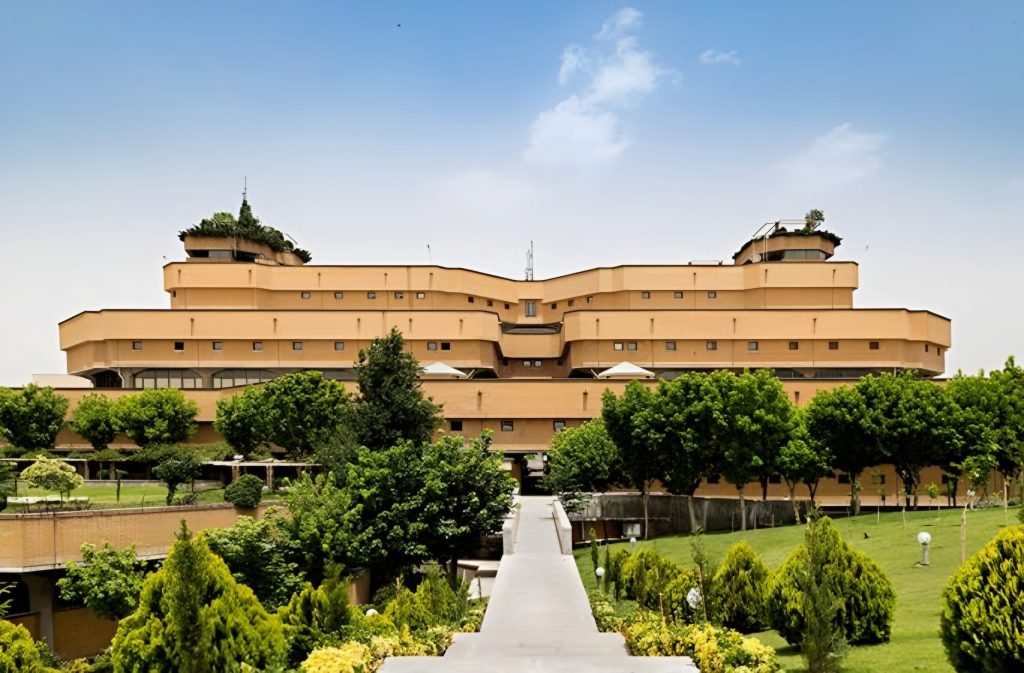
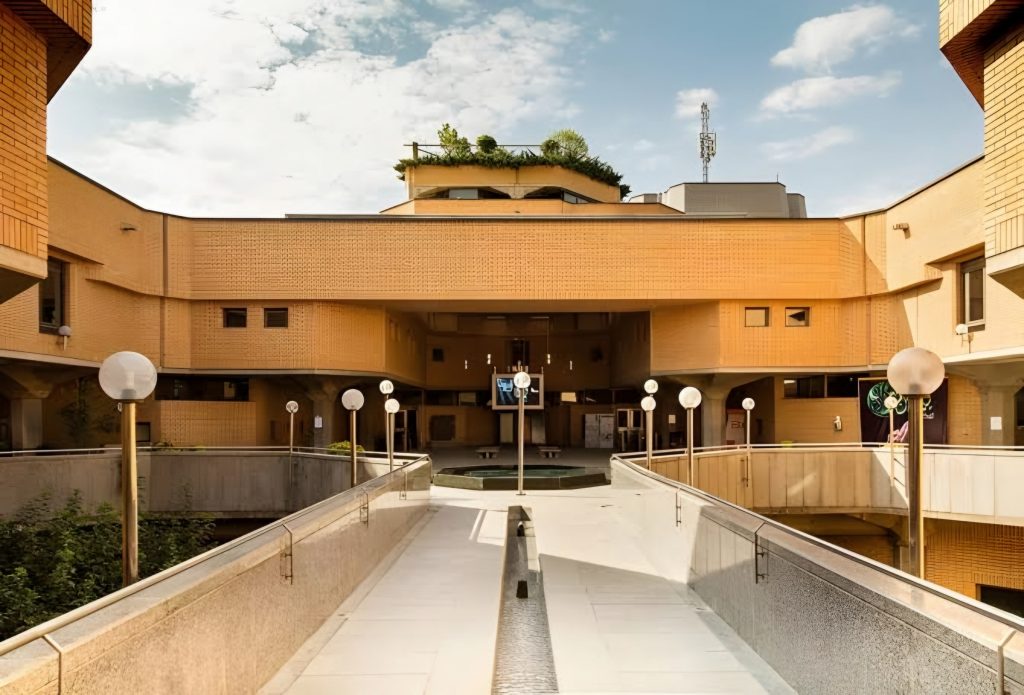
The architecture of the new complex is defined by a monumental contemporary approach that avoids literal imitation of ancient forms but captures their “vital spirit.” The construction features a Stepped Ziggurat Shape: the exterior presents a stepped pyramid appearance that responds to the uneven slope of the Abbasabad hills where it is located. Additionally, it manages natural light in a very curious way: the design has four upper levels specifically designed to maximize light entry through high windows (skylights), while avoiding the direct impact of the sun on the books.
Regarding materials, it was built mainly with concrete and brick, materials that combine modern durability with Iranian construction tradition. This leads us directly to connect with the symbolism of Light, since conceptually, the building seeks to represent the “triumph of the light of knowledge over the darkness of ignorance,” a common metaphor in classical Persian poetry.
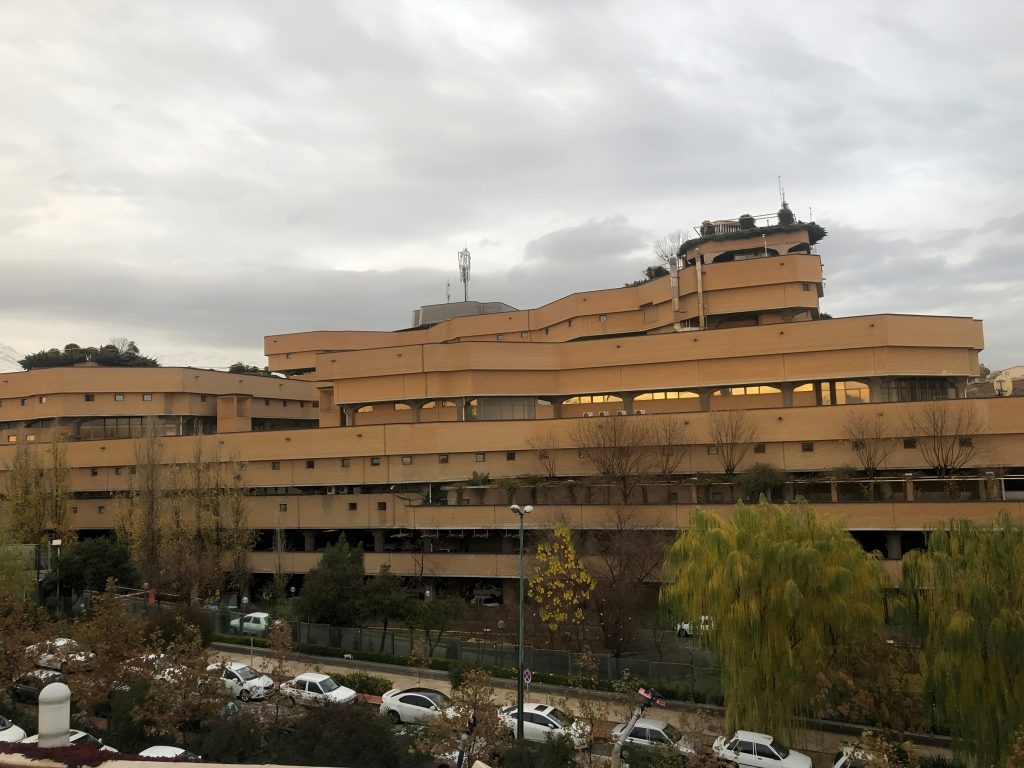
Although the official inauguration was in 1937, the institution grew from bibliographic collections founded in the 19th century. In 2004, its new main building was inaugurated, a modern structure that consolidated the previous different branches. It also stands out for possessing one of the richest collections in the world of Persian manuscripts, covering topics of literature, science, history, poetry, and Islamic jurisprudence. Its function, in addition to conservation, acts as a research center and the center of Iran’s cultural diplomacy.
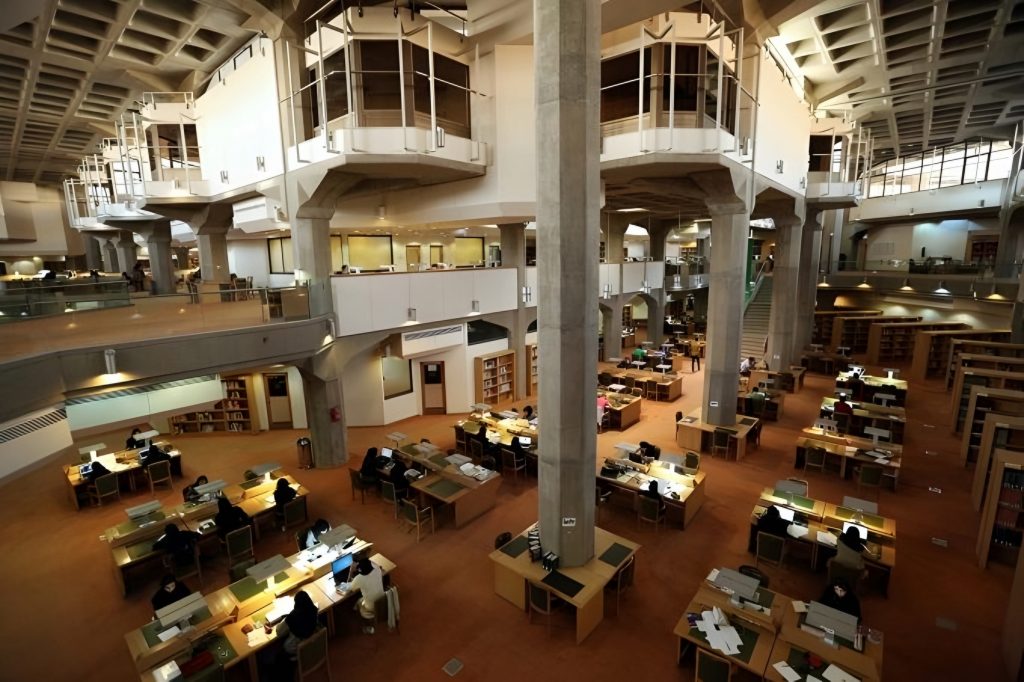
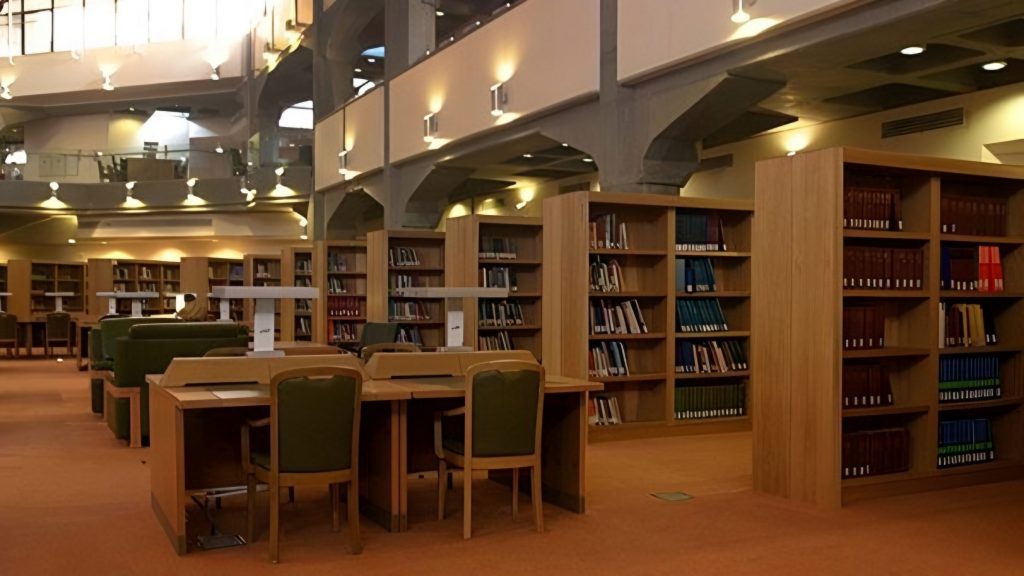
The institution is the pillar of the historical memory of the Persian nation and the library is used by academics and students, sometimes requiring prior registration to access its high-capacity reading rooms.
CURIOUS AND LESSER KNOWN FACTS
Unique Dual Headquarters: It is one of the few institutions in the world where the national library and the national archive share not only the same building but also a common administrative management. This allows a researcher to consult a printed book and an original archival document in the same place.
The Oldest Qur’an: Within its walls is kept what is considered the oldest complete Qur’an in the world, dated between the years 80 and 110 of the Islamic calendar (7th/8th century AD) and attributed to Hazrat Ali.
Military Maps of Tehran: It preserves the first realistic maps of the city, made in 1848 by the Russian tourist Ilya Berezin. Before these, maps of the Iranian capital were mainly military tactical formations without geographical scientific basis.
Own Transportation Service: Due to the size of its complex in District 3 of Tehran, there is a shuttle service that connects the Shahid Haghani metro station directly with the library buildings to facilitate access for researchers.
Avant-garde Architecture: The modern central building, inaugurated in 2004, has an area of 90,000 square meters and was designed to unify all departments in a single site, including a cafeteria, a bookstore, and even a prayer hall.
Memory of the City: The archive stores nearly 900,000 documents dedicated exclusively to the history of Tehran, including local reports and state correspondence detailing the evolution of the capital.
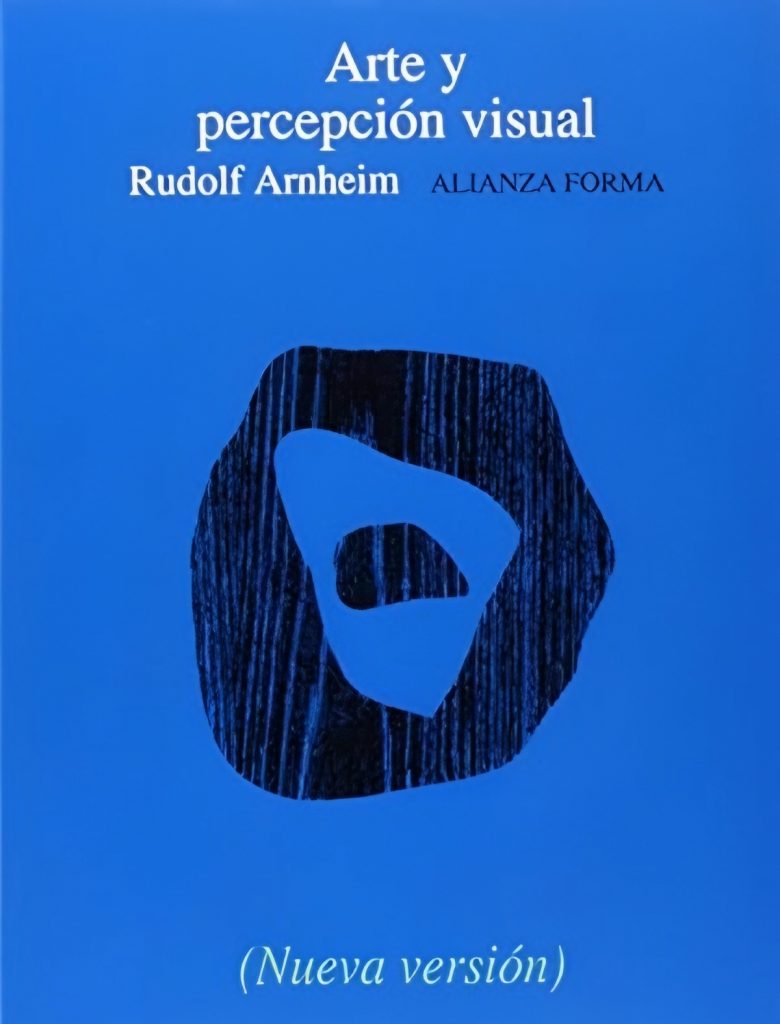
The book I recommend today is: Art and Visual Perception, by Rudolf Arnheim.
If you are interested in understanding why we see what we see (and why some works of art captivate us and others do not), Art and Visual Perception by Rudolf Arnheim is, basically, the “Bible” on the subject.
I recommend it because it “cleanses” your eyes: after reading it, you stop seeing paintings or buildings as passive objects and start seeing them as living force fields.
– For creators: It gives you conscious control over composition; you stop placing elements “just because” and understand the effect they will have on the viewer.
– For observers: It allows you to articulate why a work generates peace, anguish, or energy, elevating your critical capacity.
Piece with Artist MAGAZINE © june 2026
@piecewithartist