APRIL 24th, 2026. words by James payne (@Greatartexplained). Piece with artist magazine.
For much of its history, art has been presented as something distant, something that is guarded by institutions, explained through dense language, and framed as the domain of specialists. Museums can feel intimidating, textbooks impenetrable, and the wider discourse often assumes a level of prior knowledge that many people simply haven’t been given, leaving behind a persistent idea: that art is not for everyone.
The democratisation of art begins by dismantling that idea.
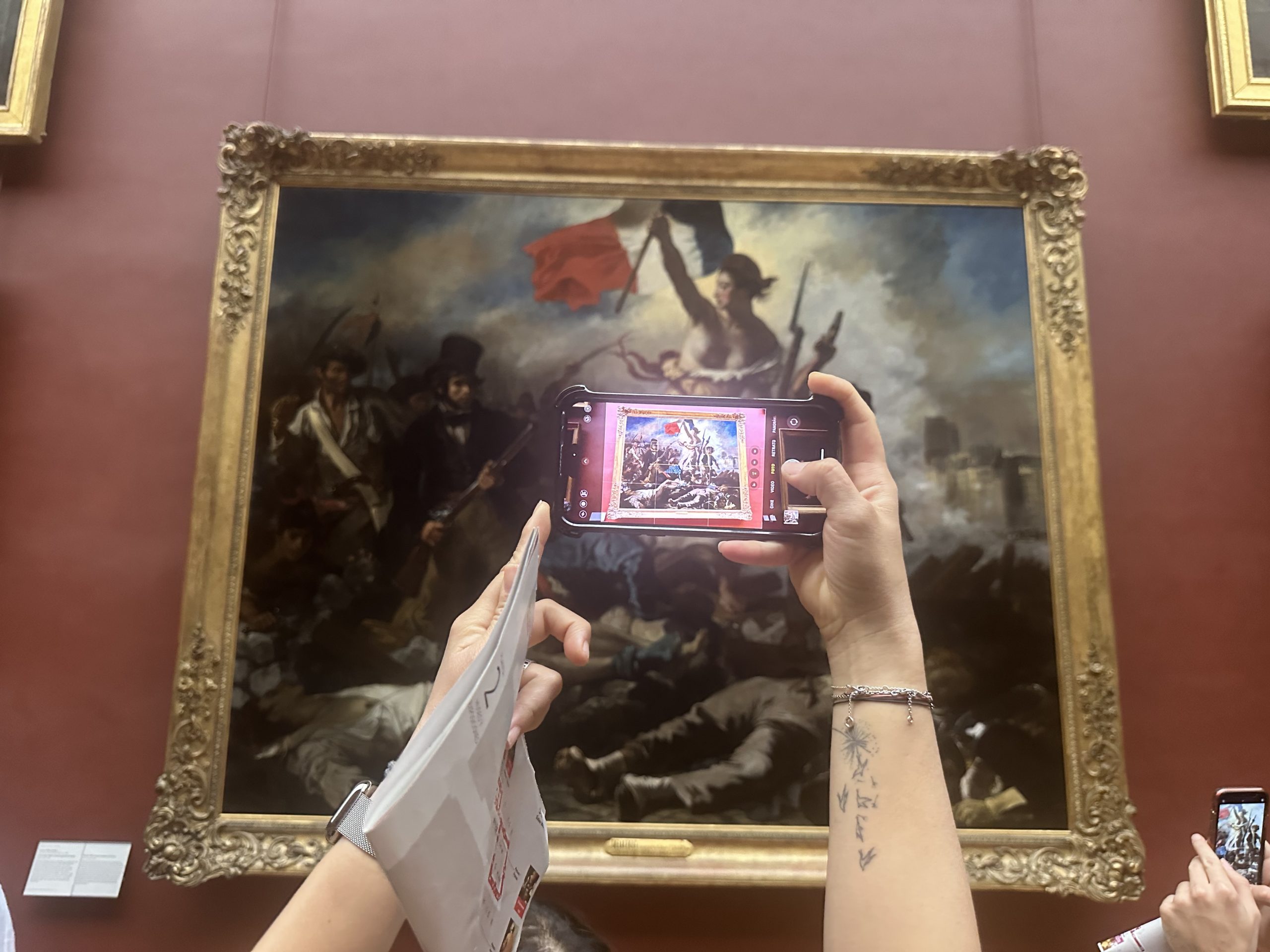
It is not about simplifying art or reducing it to something superficial. It is about access; intellectual, emotional, and cultural. It asks what happens when we remove the barriers that prevent people from engaging in the first place, because the problem has never been that art is too complex, but how it has been framed.
Art history has often prioritised authority over curiosity, leaning on established interpretations, reinforced by institutions that decide what is important and how it should be understood, and while this has produced extraordinary scholarship, it has also created distance. Knowledge becomes something to acquire before participation, rather than something that emerges through looking.
Demystifying art history reverses that process.
It begins with language, because when art is explained through jargon, it can feel closed off, whereas when it is explained through story, it opens up. Every artwork is made by someone, at a particular moment, under specific conditions, and that alone provides an entry point. Who made it? Why? For whom? What was happening in the world at the time?
These are not reductive questions. They are foundational.
This approach sits at the heart of projects like Great Art Explained, which reposition art history as a shared human story, showing that by focusing on narrative, context, and close looking, it becomes possible to engage audiences who may have previously felt excluded, not by lowering the level of discussion, but by changing how that discussion is framed.
Because art is not an abstract code waiting to be cracked. It is a record of human experience, of ambition, belief, power, fear, and imagination.
Once you begin there, something changes, and a painting is no longer a static object on a wall; it becomes an event shaped by decisions. Why this composition? Why this colour? Why this subject? These are questions available to anyone willing to look closely, requiring no permission, only attention.
And that is where democratisation becomes real: in the act of looking.
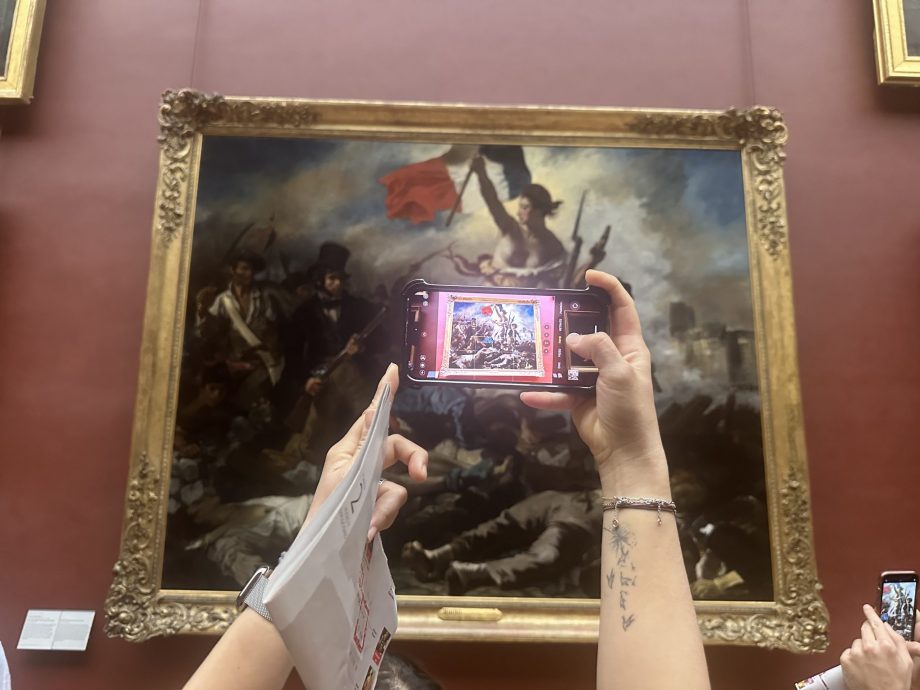
Looking is not passive; it is a skill, one that most people have never been taught, as they move quickly through galleries, often feeling that they are missing something essential. The assumption is that meaning is hidden, and that someone else holds the key.
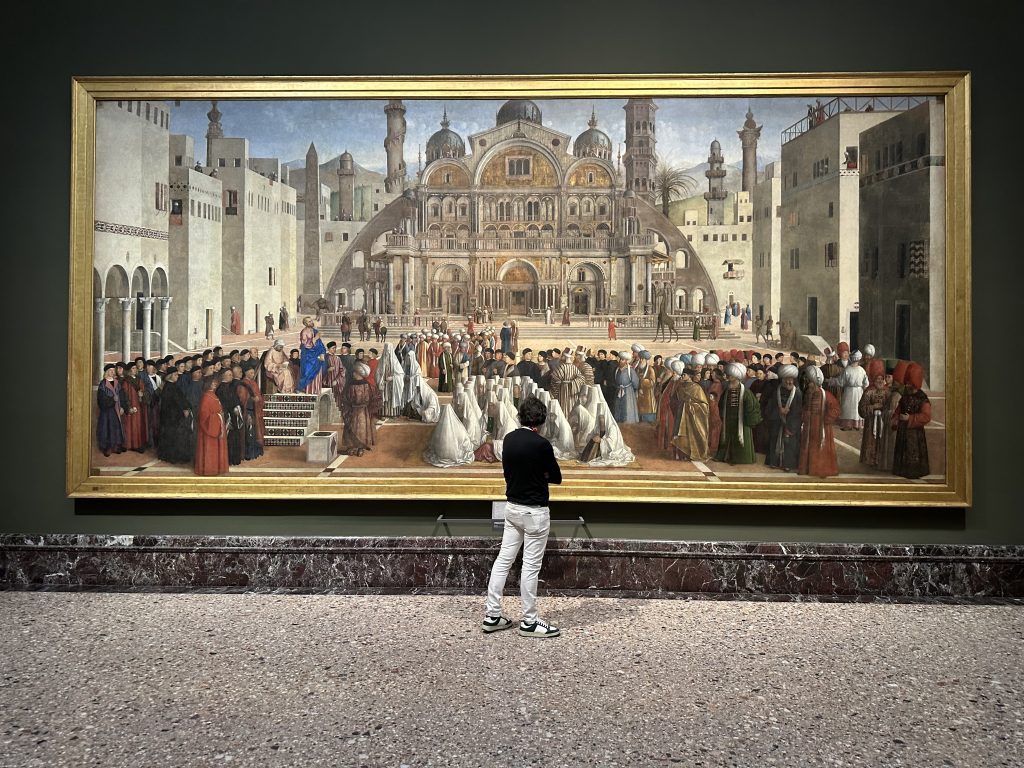
When viewers are encouraged to slow down, to spend time with a single work, to notice details, to ask questions without fear of being wrong, the experience shifts. The artwork becomes something to engage with, rather than something to decode.
This shift has broader implications.
If art becomes more accessible, the structures that define it begin to change, and the traditional canon, long dominated by European, male artists, comes under scrutiny. Democratisation does not mean rejecting it outright but expanding it, by asking whose stories have been excluded, and why.
Demystifying art history is therefore not just about clarity, it is about transparency, acknowledging that what we see is the result of choices, not inevitabilities.
Technology has accelerated this shift.
Digital platforms have opened access to artworks that were once geographically restricted, while also diversifying the voices interpreting them, so that art is no longer mediated by a single authority but explored through multiple perspectives.
This is where the role of the art historian evolves.
Rather than acting as a gatekeeper, the art historian becomes a guide, someone who provides context, highlights key details, and creates pathways into understanding. The best guides do not overwhelm; they frame, respecting the intelligence of the audience while offering a path in which to engage more deeply.
This is also where projects like Great Art Explained sit, using digital platforms not simply to present artworks but to reframe how they are approached, focusing on story, context, and close looking so that viewers are not told what to think, but shown how to see. Great Art Explained doesn’t really ‘explain’ art, but rather, it gives the audience/reader the tools to explore themselves.
Because democratising art is not about telling people what to think, it is about giving them the confidence to think for themselves. When that happens, art changes and becomes less about reverence and more about engagement, less about fixed meanings and more about dialogue. It invites questions instead of demanding answers.
And in a world where we are bombarded by images, and defined by speed and distraction, that invitation matters.
Art slows us down. It demands attention, and encourages us to sit with ambiguity, to consider perspectives beyond our own, and to recognise the conditions under which things are made.
The democratisation of art is therefore not a niche concern, but part of a broader cultural movement toward openness, participation, and shared understanding. It insists that art is not a luxury reserved for a few, but a resource for all.
And perhaps most importantly, it reminds us of something simple:
You do not need permission to look.
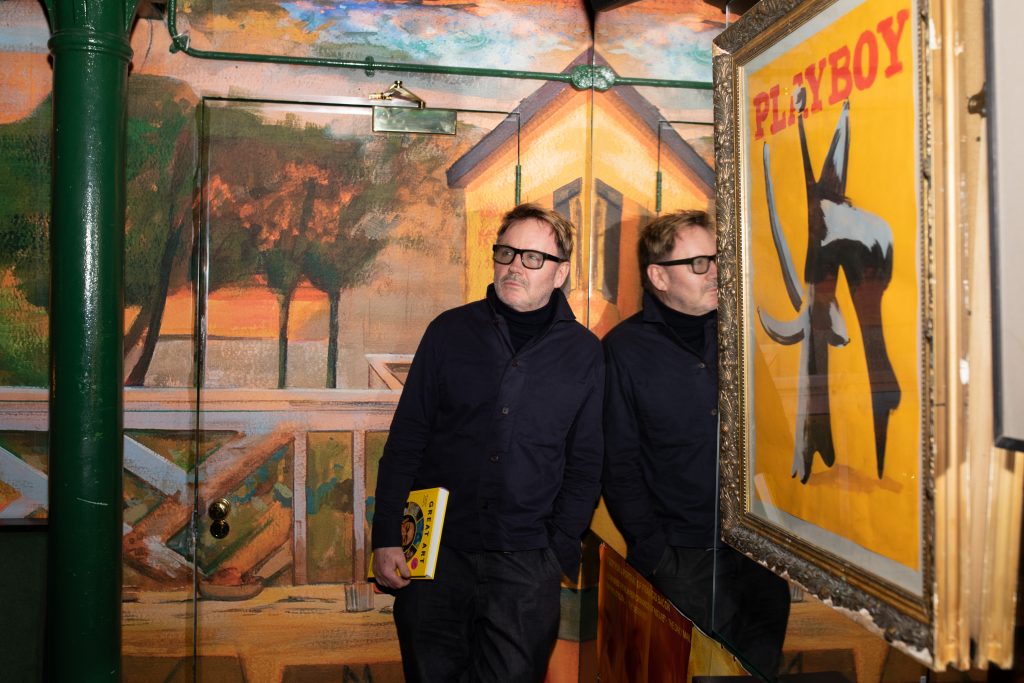
BIO. James Payne’s stated mission is to democratise art, remove gatekeeping, and make complex art history accessible to all. Art, he believes, can be thrilling and can resonate to all of us on a deep personal level.
He is a writer, historian, curator, TV presenter, and the creator of popular YouTube channels Great Art Explained and Great Books Explained. He has given several lectures for Google Arts and Culture, and talks in several countries, including the UK, the United States, India, South Korea, Portugal and Italy. In June he is touring China and South Korea on a book tour. In March he gave a TED talk in Philadelphia.
As well as co-presenting “Beyond the Brush” on Sky Arts, he is also the co-host of the podcast “Primo & Payne: Great Art Explained”.
Payne was also co-owner and Head Curator of PayneShurvell gallery (2010-14), which is now an art consultancy in London and Suffolk.
His YouTube channel Great Art Explained, is the largest art history channel, and has 1.85 million subscribers with 64 million views. His other channel, Great Books Explained, has 230,000 subscribers with 2.5 million views. Payne’s videos have been shown at museums and galleries such as the Albertina Museum in Vienna, and the National Gallery in London.
His first book, Great Art Explained came out on Thames & Hudson in October 2025 worldwide and is now being translated into six languages.
“James Payne’s YouTube Channel ‘Great Art Explained’ gained a huge and appreciative worldwide audience. This beautifully put-together book is simply the best introduction to the lifelong pleasure and rewards of looking at pictures since Gombrich. An instant classic.” Stephen Fry
Piece with Artist MAGAZINE © APRIL 2026
@piecewithartist
@greatartexplained