APRIL 17th, 2026. words by Suso Barciela. Piece with artist magazine.
Sometimes I think that word, that label of “emerging” placed on creators when they leave college or first poke their heads into the art circuit, has nothing to do with what really happens in the studios. As a critic, someone who walks the corridors of the system, I see it clearly. That label does not adequately capture the obsession, the method, or the individual visual maturity.
It rather describes the limbo of administration. A simple fiscal categorization of desire; a small room, windowless… but lined with velvet. A pat on the back from someone you know is looking down on you. They say talent is in no hurry, and it’s clear that the higher up you are, the less hurry you have for the current status quo to change.
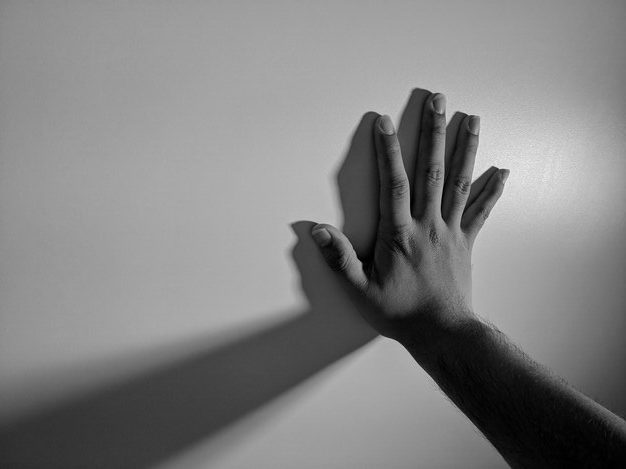
It is certainly strange, that feeling of inhabiting that threshold. I have observed it at fairs, at openings, and in galleries, where the wine is cheap and the looks are expensive. There is a deceptive protection inside there; as long as the author of that work is wearing that little tag, there is an alibi, they are allowed to fail gracefully, they are allowed doubt and hypothesis, and this only happens because this ruthless art ecosystem has not yet fully sunk its claws into their back. It is an invisible refuge that obviously has a very short expiration date, you know what I am talking about.
It starts with accepting that no one is going to send you a WhatsApp to tell you spring is over; you have to go outside to check, or at least look out the window, if you have one. To tell the truth, the bureaucracy of inspiration does not work with formal notifications. There is no secret committee that meets in the shadows to draft a terse minute… “Being emerging is over”: as of today… so-and-so is just another shipwreck on the shore of the craft. Full stop.
We, those who document this, do not receive that memorandum either. Simply one day, when writing a footnote or justifying a selection, we notice that name no longer serves us for that narrative of the “new” and we set it aside cruelly but without malfeasance, almost without realizing it.
An eviction that seeps through the cracks of the normal. It manifests in the fine print of the forms we ourselves design or disseminate, and that is when suddenly, the artist’s fingers slide down a list of requirements and hit an imperceptible glass wall: age has become a limiting factor. Those residencies that smelled of turpentine and adventure now seek newer sap, more beardless gazes. The creator no longer fits the mold of the subject in a state of perpetual emergency. They have simply expired for certain windows. And we, the critics, witness this silent drip like someone watching the rain from behind a café window.
That is where the mutation occurs. It is not a Wagnerian drama or a slamming door; it is a soft disconnection, like when the tide goes out and the water no longer covers your ankles. There, with feet in the wet sand, exposed to the elements of the market, talent ceases to be a letter of introduction with institutional backing and becomes a muscle that must be exercised without applause. And it is precisely at that moment, when the administrative silence becomes deafening, that the work truly starts to interest me. Because by ceasing to be that nebula of unlimited potential, the work becomes simply and plainly present.
Perhaps that is why those of us who practice this trade of looking and naming should be more careful with the pens we build. Because in the end, what remains is the vertigo of a piece that challenges without the safety net of condescension. And I believe that is the only thing worth writing.
Piece with Artist MAGAZINE © APRIL 2026
@piecewithartist
@forms.follow.function