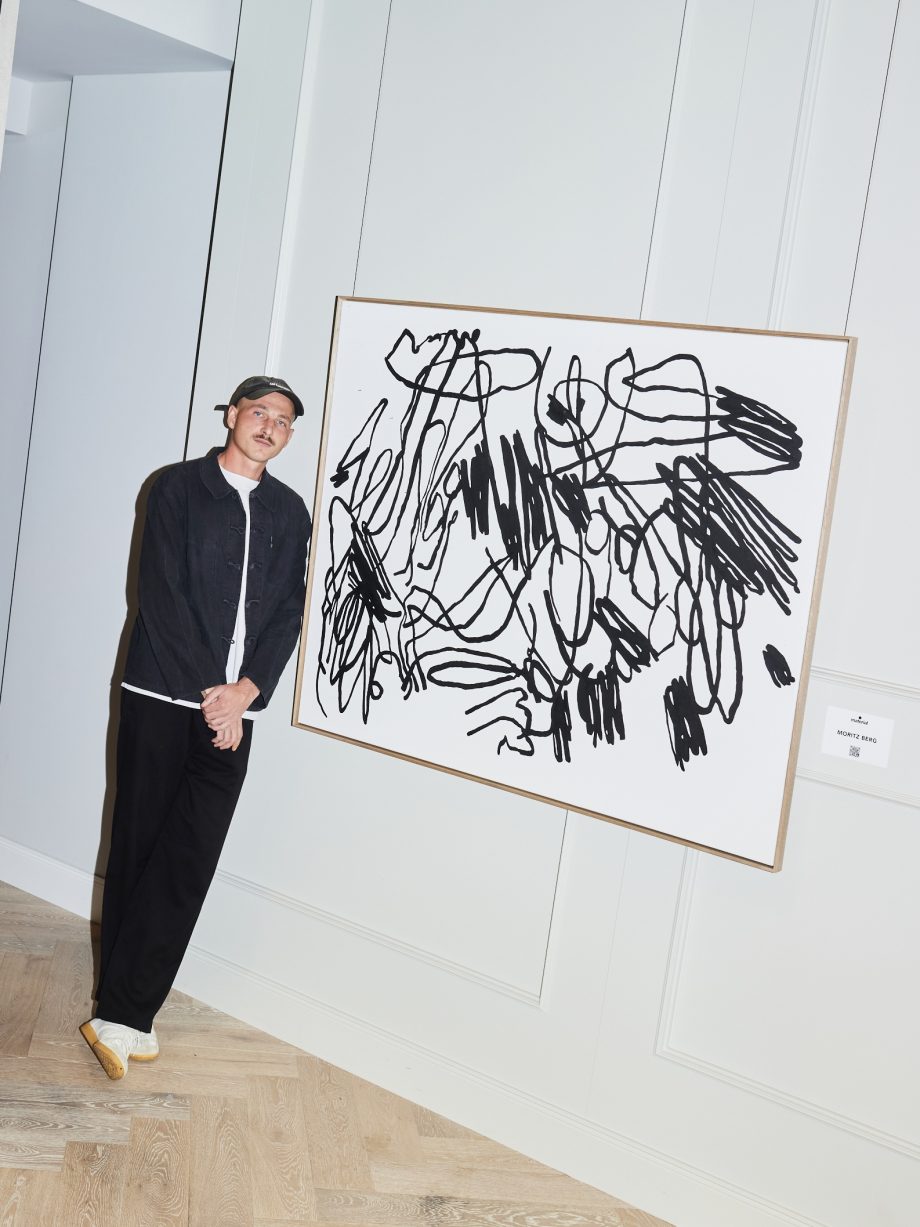
PAINTER. STUTTGART. GERMANY
MORITZ BERG MOVES THROUGH THE TERRITORY BETWEEN THE OVERLOOKED AND THE REVEALED, WHERE MUNDANE MOMENTS BECOME QUIET DISCOVERIES AND THE BANAL TURNS INTO SOMETHING WORTH PAUSING FOR. HE TRULY SEES. HIS IMAGES ARE FELT BEFORE THEY ARE UNDERSTOOD…THE SURFACE HOLDS REFLECTIONS, RESIDUES AND THE SILENT EVIDENCE OF PASSING TIME. STARRING @BERGGGGGGGGGGGGGG WWW.MORITZBERG.COM
PHOTOGRAPHY COURTESY OF TIM SONNGTAG & CHRISTINA ROLLNY
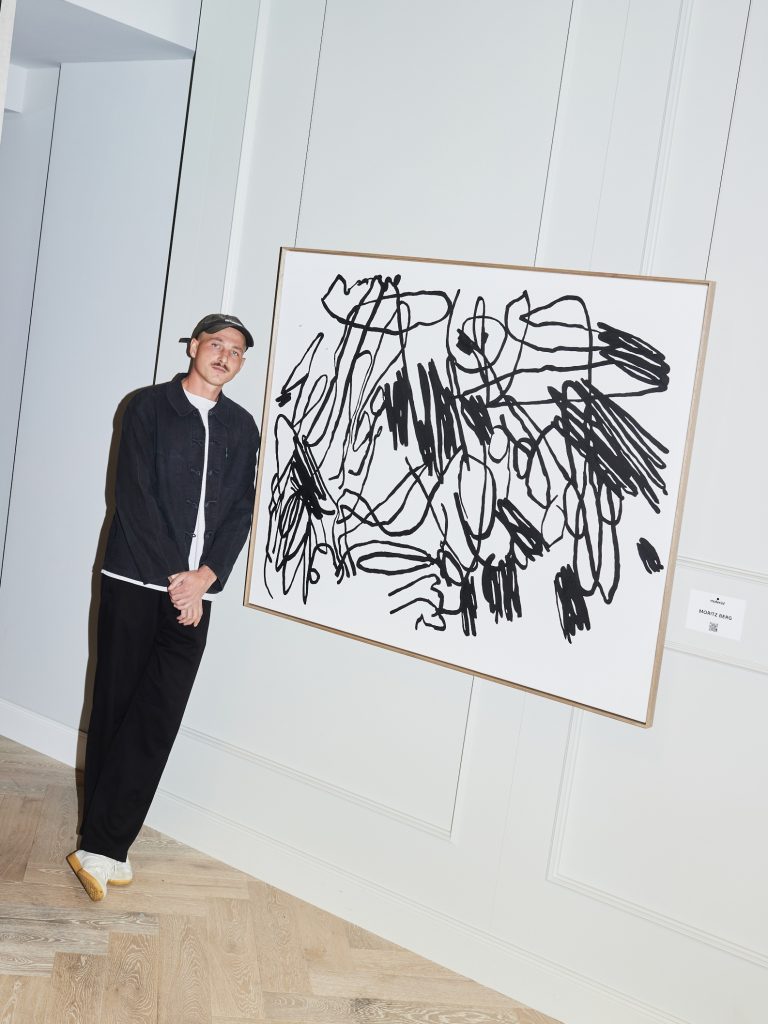
“Could you define your work? Where are your latest paintings heading? Tell us a little about your style.“
My work starts with things that are easy to miss. Traces left by wind, patterns emerging through patina, or a color that appears only for a few minutes at dusk. I’m interested in what remains from these encounters and how they can be translated into an abstract language.
The paintings can feel calm at first, but there is usually a lot happening within them. I think my work is more about looking — and about what happens when you give something more attention than you normally would.
“What do you do when an idea has been circling in your head for days and you don’t know how to carry it out?“
I usually let it stay in my head for a while. I think about it, change it, and sometimes discard it before I ever make a sketch. Once I feel an idea is ready, I start approaching it through sketches and studies.
The final work often ends up quite different from the original idea.
“Is there any work of yours that is hard for you to look at because of what you remember about its process?“
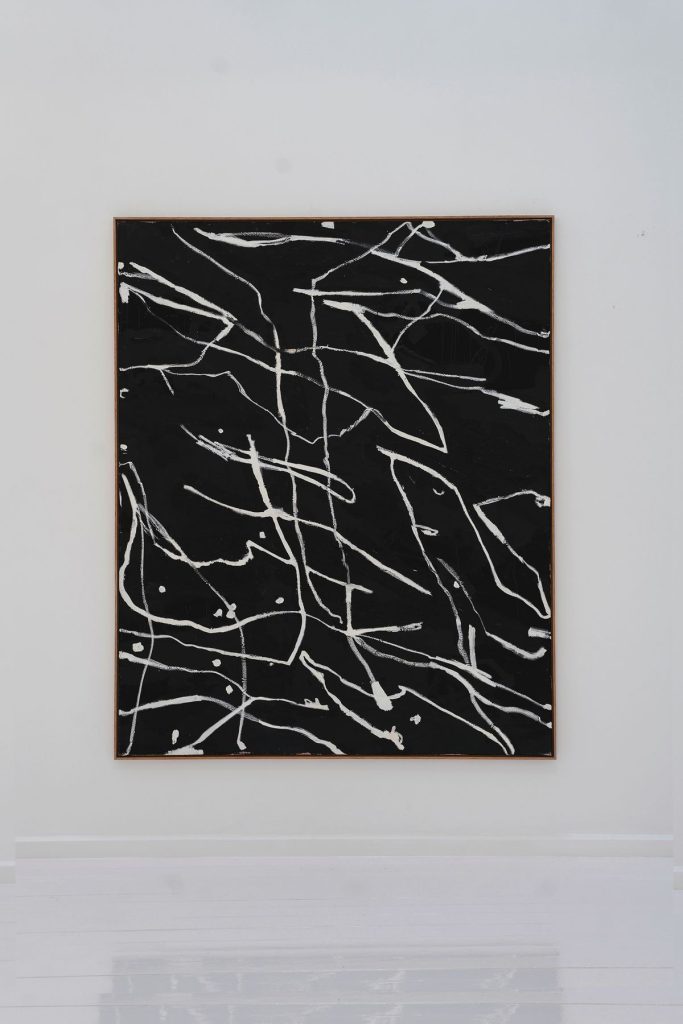
Not really. My works are usually connected to a very specific place, moment, or observation, that’s why I see them almost like a visual diary.
Even if I don’t like a painting anymore, I still enjoy looking back at it because it reminds me of where I was and what I was thinking about at that time.
“How does the disorder or order of your workspace influence you?“
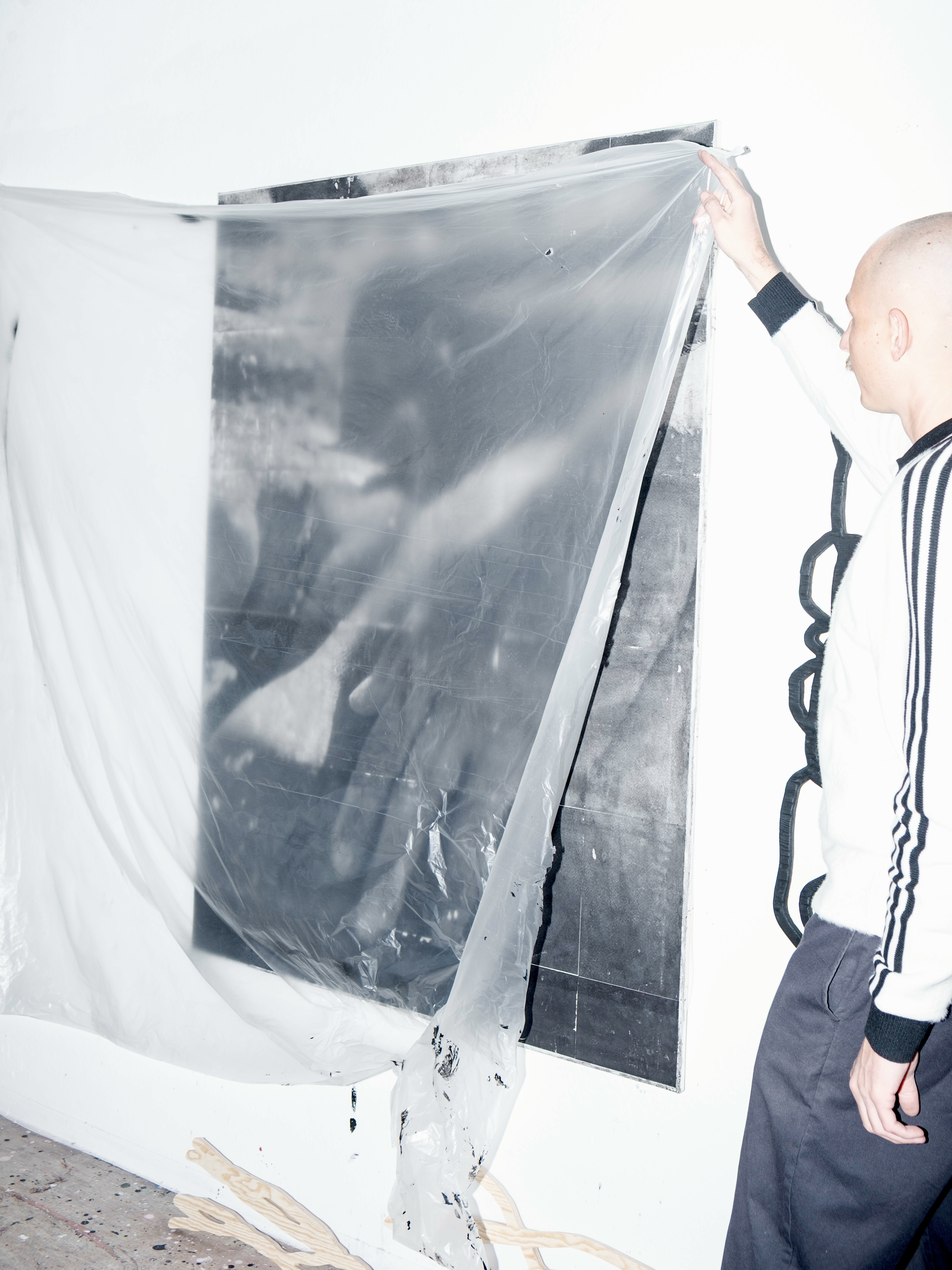
I need my studio to be quite organised. If it gets too chaotic, I find it harder to concentrate on the small decisions in a painting.
The cleaner the space, the easier it is for me to focus on what is actually happening in the work.
“What do you like more: creating in solitude or surrounded by people?“
I mostly work alone, because there are so many small decisions happening while I paint. I’m constantly balancing how much I want to control and how much I want to let the process take over.
Being alone makes it easier to listen to that.
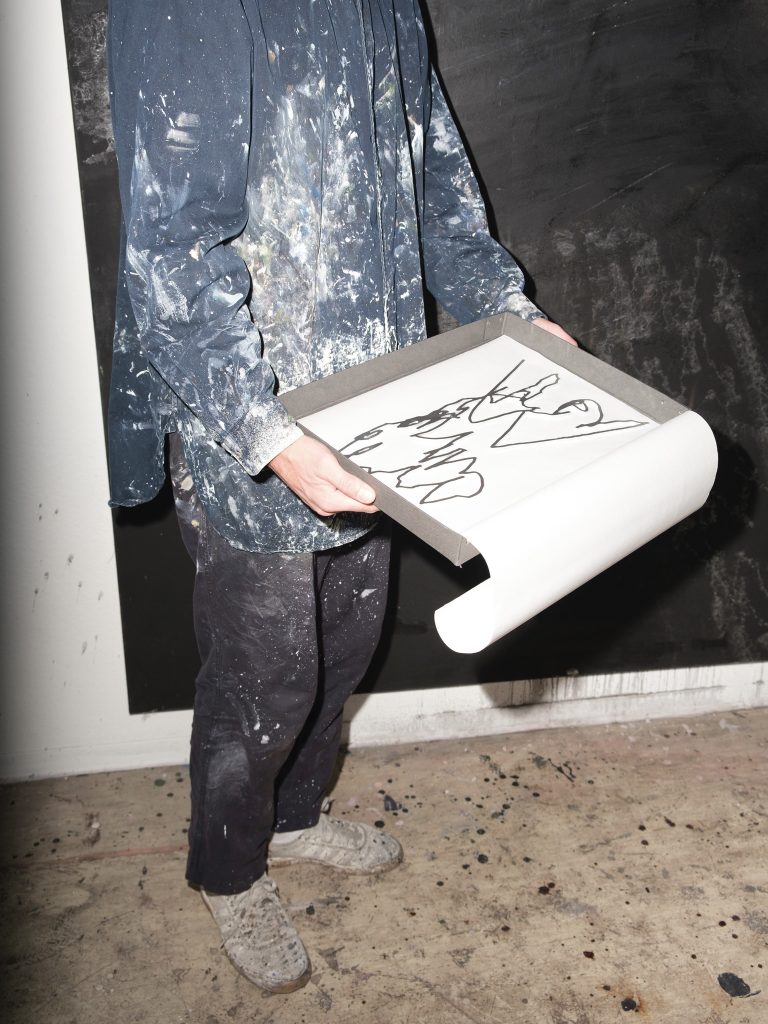
“How do you decide when a work needs to rest before you continue working on it?“
I usually notice quite quickly when something isn’t working. I might then put a painting aside for weeks or even months. Sometimes I simply need some distance.
When I come back to it, I can look at it more objectively and see what it needs.
“Is there any theme that you have avoided in your work out of respect?”
No. I don’t start with a fixed answer. The work usually begins with an observation or a question, and the visual answer develops while I’m working.
I also don’t need to know where a painting will end up when I start.
“What sensation do you seek to leave in the person who looks at your work?”
I don’t really try to create one specific feeling. Everyone brings their own experience to a painting. Of course, I want the painting to work on its own through color, composition, contrast, and the physical presence of the surface.
But ideally, it also makes someone slow down for a moment and look a little longer.
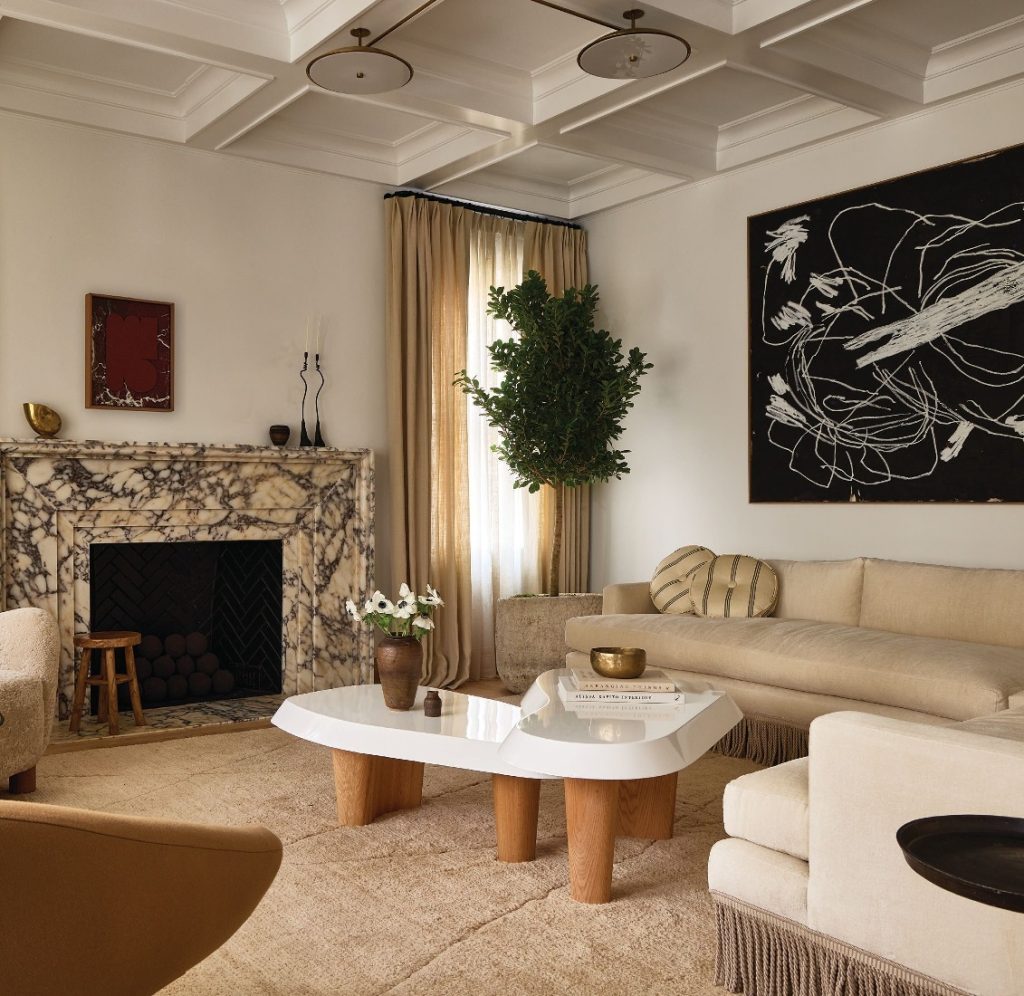
“How does your process change when you work with a material you are not familiar with?“
I actually like that uncertainty. Working with an unfamiliar material forces me to give up some control and start experimenting again.
I’ve developed certain routines over the years, and they are useful, but they can also become too comfortable. A new material disrupts that and can take the work somewhere I wouldn’t have found otherwise.
“What makes you feel closest to your work?”
Interestingly, often time. There are paintings I made six years ago that I feel much closer to today than I did when I finished them.
With some distance, I understand the work differently. Maybe that’s because I can see the original idea more clearly without being so caught up in the process of making it.
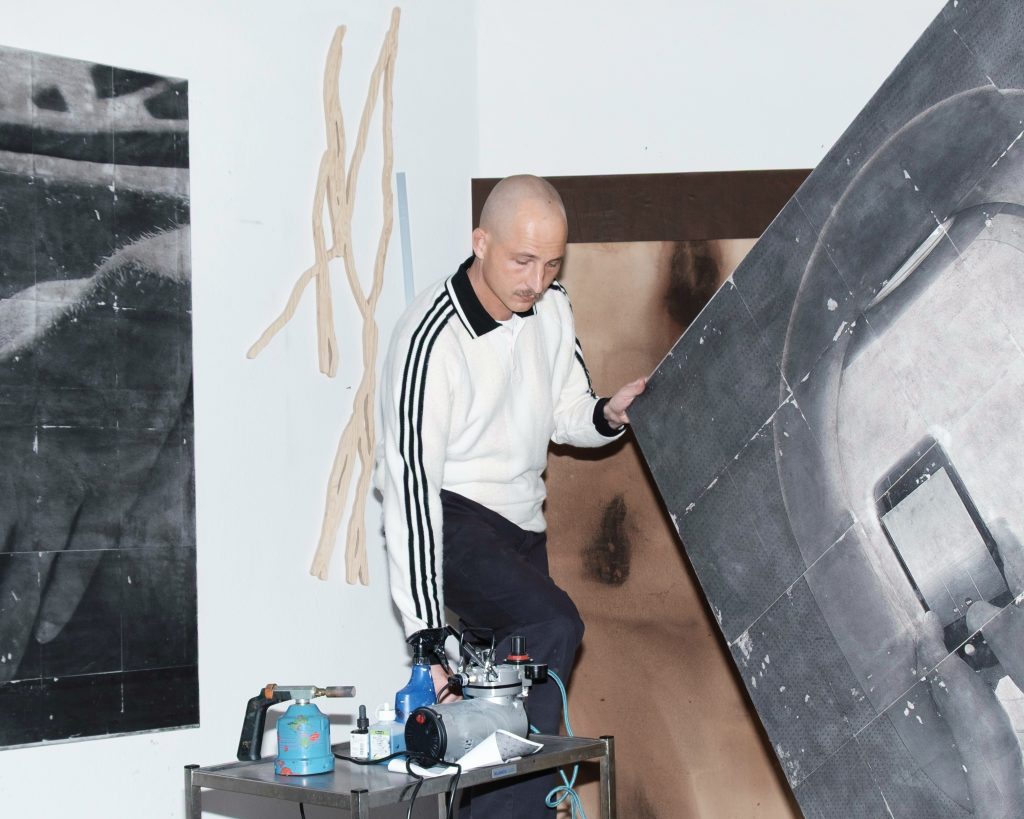
Moritz Berg (b. 1994) lives and works in Stuttgart, Germany. His artistic practice explores perception and the aesthetic effects of our environment.
Drawing inspiration from transient and everyday moments, he reflects the fast pace of modern life by uncovering hidden qualities within seemingly trivial scenes. His works transcend the ordinary and highlight the profound beauty that often goes unnoticed, encouraging viewers to find meaning in trivial aspects of everyday life and raising the question of where we choose to turn our attention.
A graduate of the University of Stuttgart, where he earned both a BA and an MA in Architecture and Urban Planning, he has held numerous exhibitions across Europe and the United States, including notable shows like Zum Erden an die Luft at Galerie Kernweine in Stuttgart (2025) and One Gust at a Time at Mono in Lisbon (2025), and his work has also been featured at art fairs such as Enter Art Fair in Copenhagen (2026).
Piece with Artist Magazine. September 2026. © www.piecewithartist.com
@piecewithartist
@bergggggggggggggg