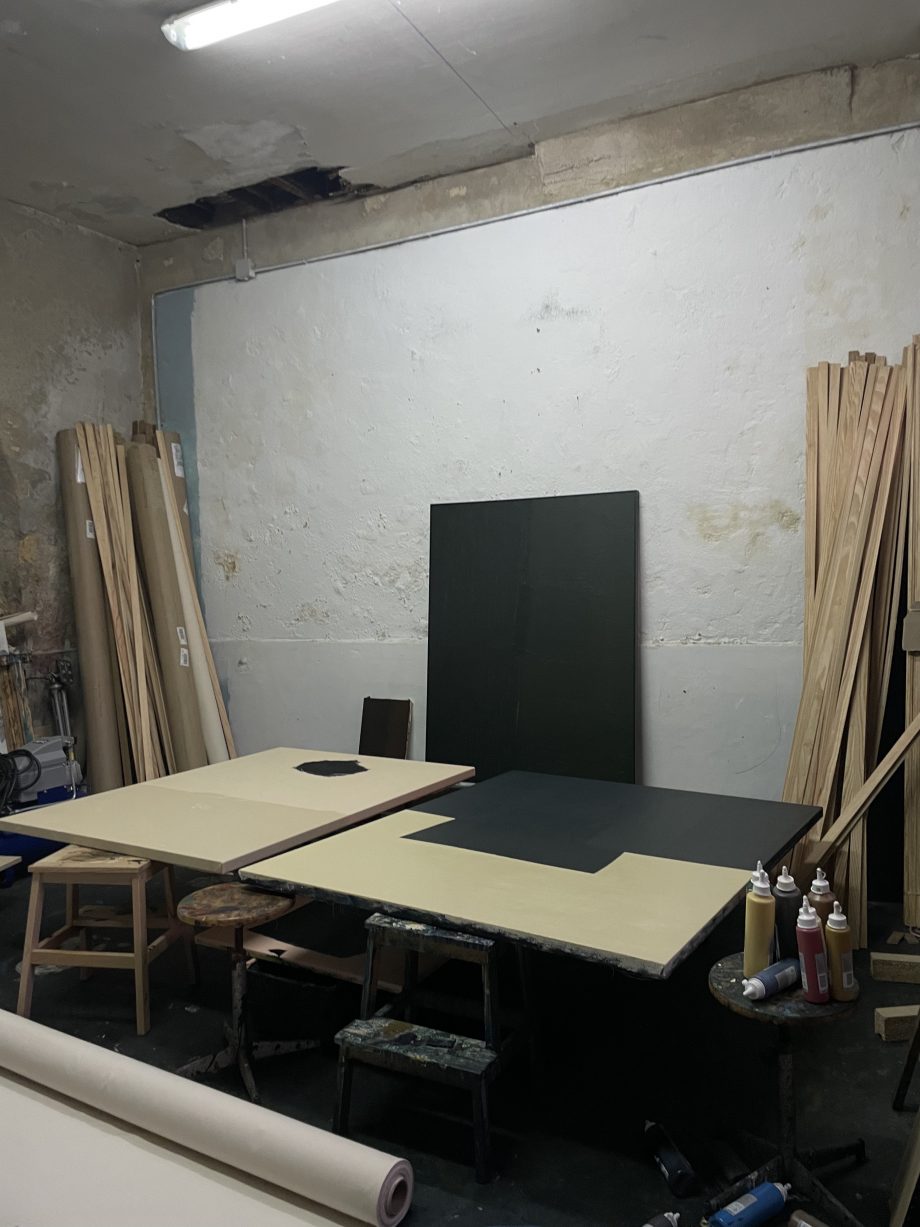
PAINTER. BORDEAUX. FRANCE
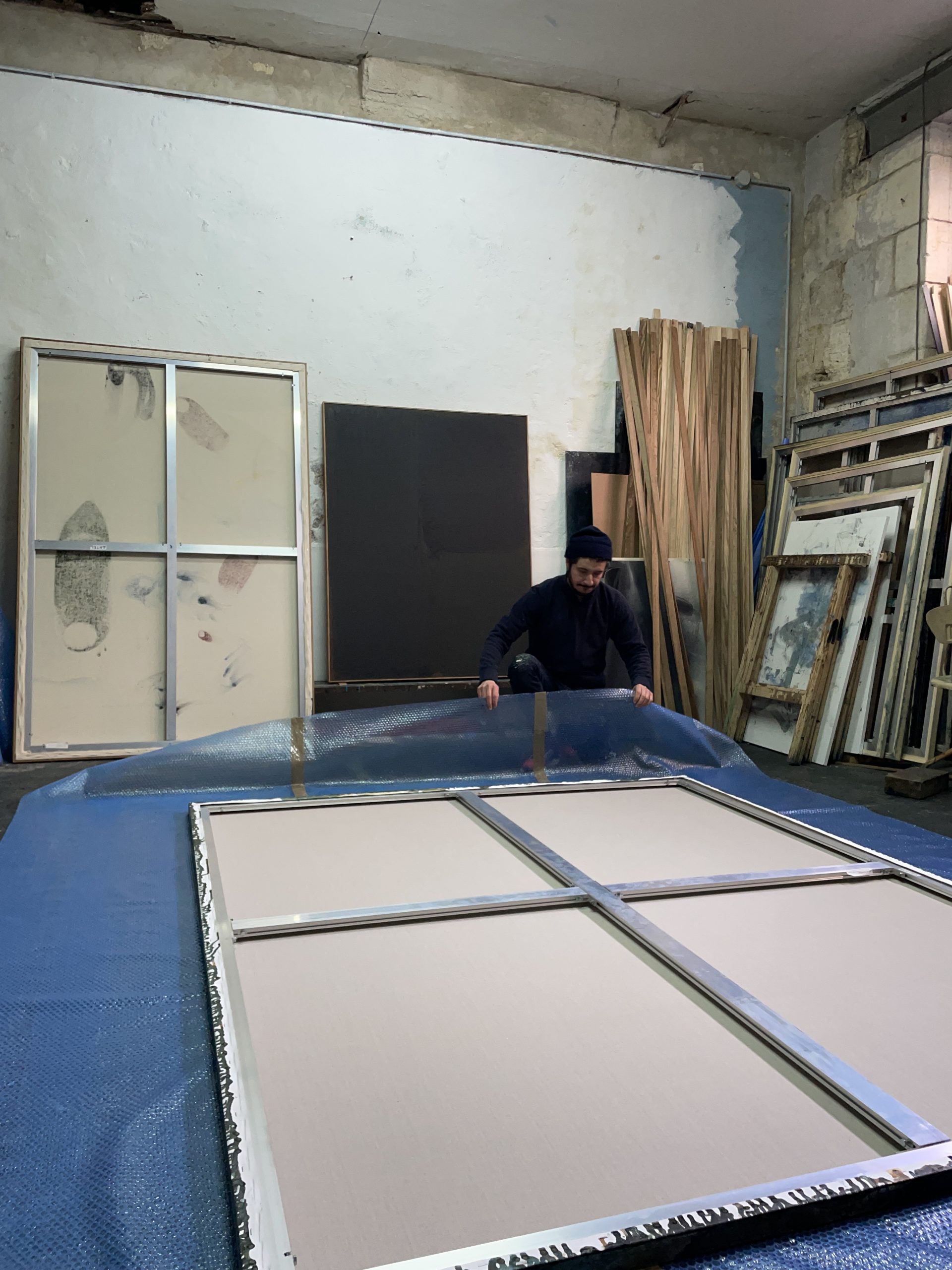
FROM BORDEAUX, HE IS ABLE TO TRANSFORMS PAINTING INTO A LIVING ENTITY THAT REJECTS SUPERFICIALITY TO BECOME AN ABSORBING DEPTH. HIS WORK FINDS ITS STRENGTH IN IRREGULARITY AND THE PATINA OF TIME, WHERE CANVAS AND COLOR MERGE INTO A SINGLE INDIVISIBLE BODY. FAR FROM SEEKING TECHNICAL PERFECTION, HIS WORK IS A CELEBRATION OF HONEST IMPERFECTION WHERE THE PICTORIAL “ACCIDENT” IS ELEVATED TO A FORM OF INEFFABLE PURITY. STARRING @JEAN_BAPTISTE_BESANCON WWW.JEAN-BAPTISTE-BESANCON.COM
PHOTOGRAPHY COURTESY OF JEAN-BAPTISTE BESANÇON
“How would you describe the core or central idea of your artistic work?“
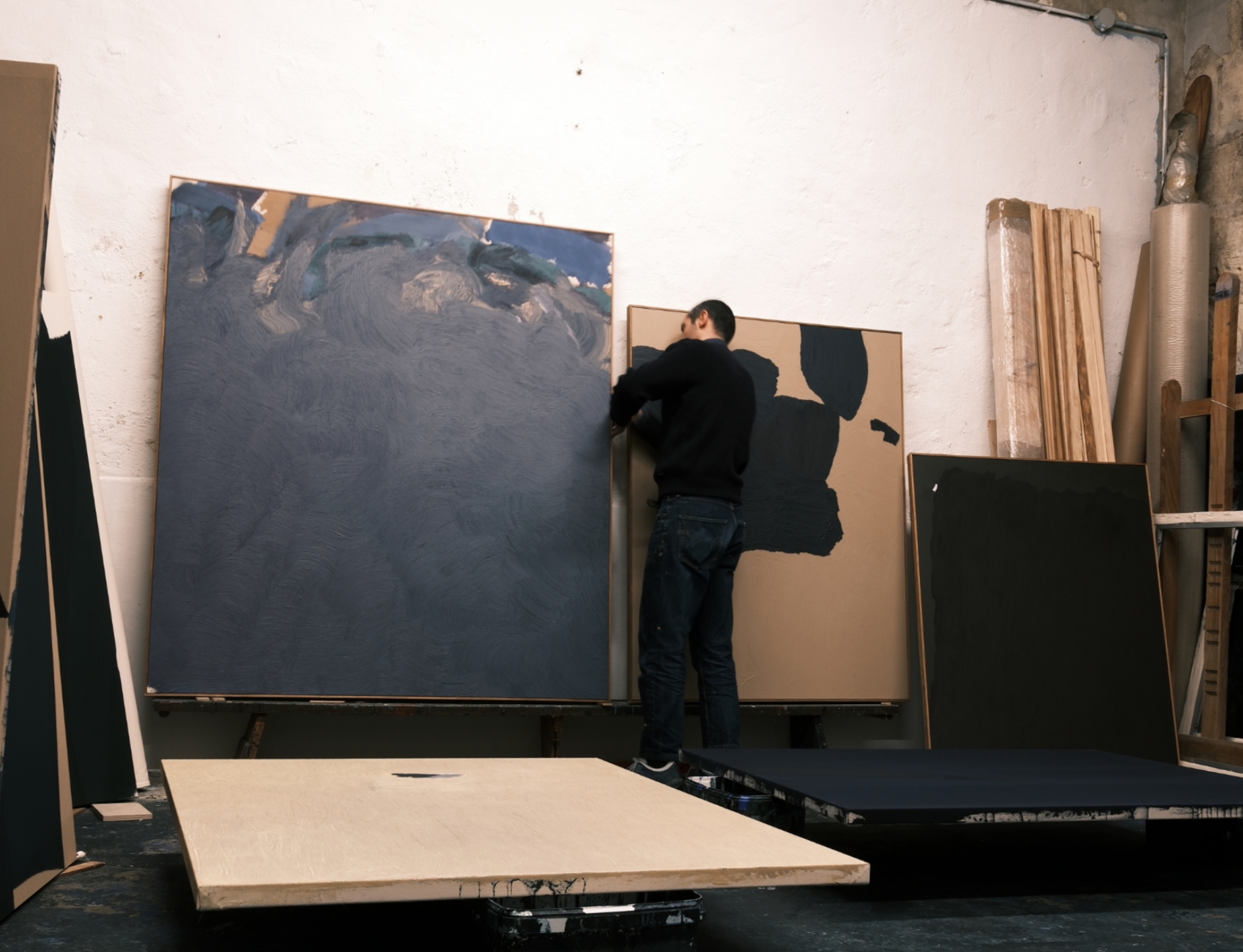
My artistic approach is based on a strong trust in instinct and authenticity, inspired by the Italian Alla Prima technique. I work on composition and color simultaneously, using the canvas as a working palette. This method streamlines the creative process and shortens the distance between intention and execution.
“What is the most vulnerable or personal part of yourself that you expose through your art?”
I do not believe there is one particular vulnerable or personal aspect; rather, it is a whole. An initial instability gradually finds its balance. The elusive and ineffable nature of the pictorial process ultimately reaches a form of purity—one that is justified simply by its existence and by having been conceived in its most direct expression.
“Where do you get your inspiration from?“
My sources of inspiration are multiple, primarily rooted in contrast and form, and nourished by ongoing research. Often, the catalyst is an unexpected effect within an area of the canvas that redirects the work toward a new direction. Frequently, what we initially resist reveals itself as the most instructive. With no predetermined plan—aside perhaps from the format—the freedom to embrace intuition lies at the core of my practice. Trust in the unforeseen guides my process, and I build the composition gradually, stroke by stroke.
“Do you have any quirks or habits in your studio?“
Nothing in particular; routine and discipline are the only frameworks I impose on myself.
“Is there a particular time of day when your creativity or energy to create is at its peak?“
There are no rules or fixed timelines; creativity is not something that can be measured or quantified. Its very essence lies in the fact that it resists standardization. Energy alone is not the source of creativity—I believe that everything emerges through sustained work. I strongly believe in determination, in the act of doing, in taking initiative, in movement and momentum, as well as in curiosity and the ability to find wonder in simple things.
“What resources, experiences, or places usually act as a trigger for your creativity?“
Solitude—understood as a voluntary isolation within the studio—plays an important role in my practice. I often find myself unconsciously engaging in mental projection, imagining potential paintings, forms, and color relationships. The final result rarely corresponds exactly to these initial visions; however, as I mentioned earlier, the desire to create is in itself already a sufficient reason to begin painting.
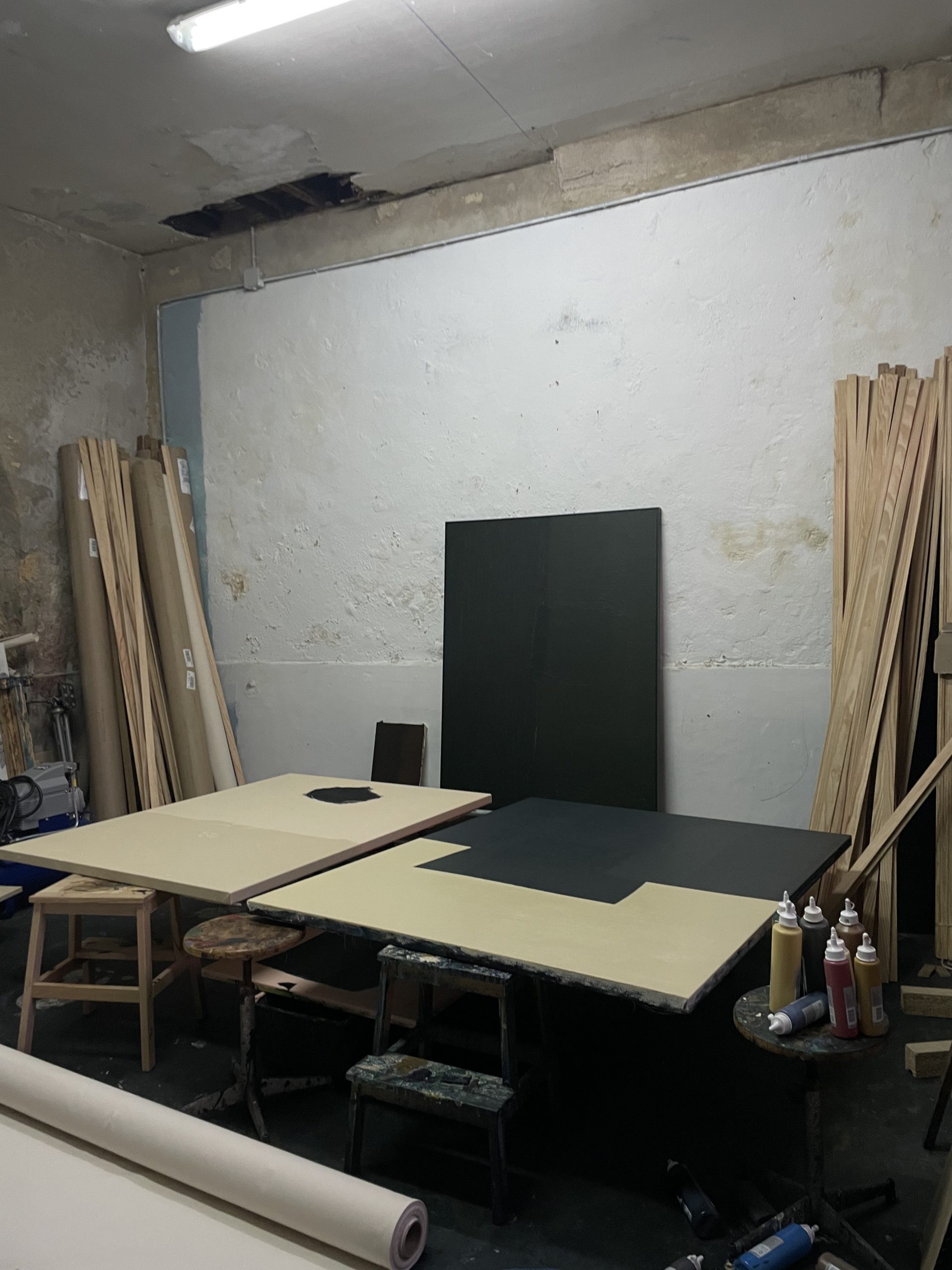
“Do you prefer working with a particular material or technique? What draws you to them?”
I am drawn to what is raw, rough, and matte. The material of my canvases serves as a semi-absorbent support, where canvas and paint merge into a single entity. The canvas is no longer merely a surface or support; it becomes a depth that does not repel but rather accepts and integrates. Irregularities are embraced within the work, much like a flaw in a person—they form a whole, indivisible, in its most honest entirety. Imperfection carries the charm of being eternally alive, and imbalance invites movement. I am receptive by the philosophy of wabi-sabi,the noble rot, the patina of time…
“Favorite living artist?“
I don’t have a particular preference; it depends on the moment and the exhibitions I visit. Currently, I share a sensibility with the Nabis painters—such as Bonnard, Vuillard, and Vallotton—and I also appreciate the work of Léon Spilliaert. That said, the signature matters little; I can be moved by a simple sketch or painting without any pretension, unsigned. While I am speaking here about painting, the same applies equally to sculpture, furniture, or books.


Piece with Artist Magazine. february 2026. © www.piecewithartist.com
www.JEAN-BAPTISTE-BESANCON.COM
@JEAN_BAPTISTE_BESANCON