January 23, 2026. Text by Suso Barciela. Piece with artist magazine.
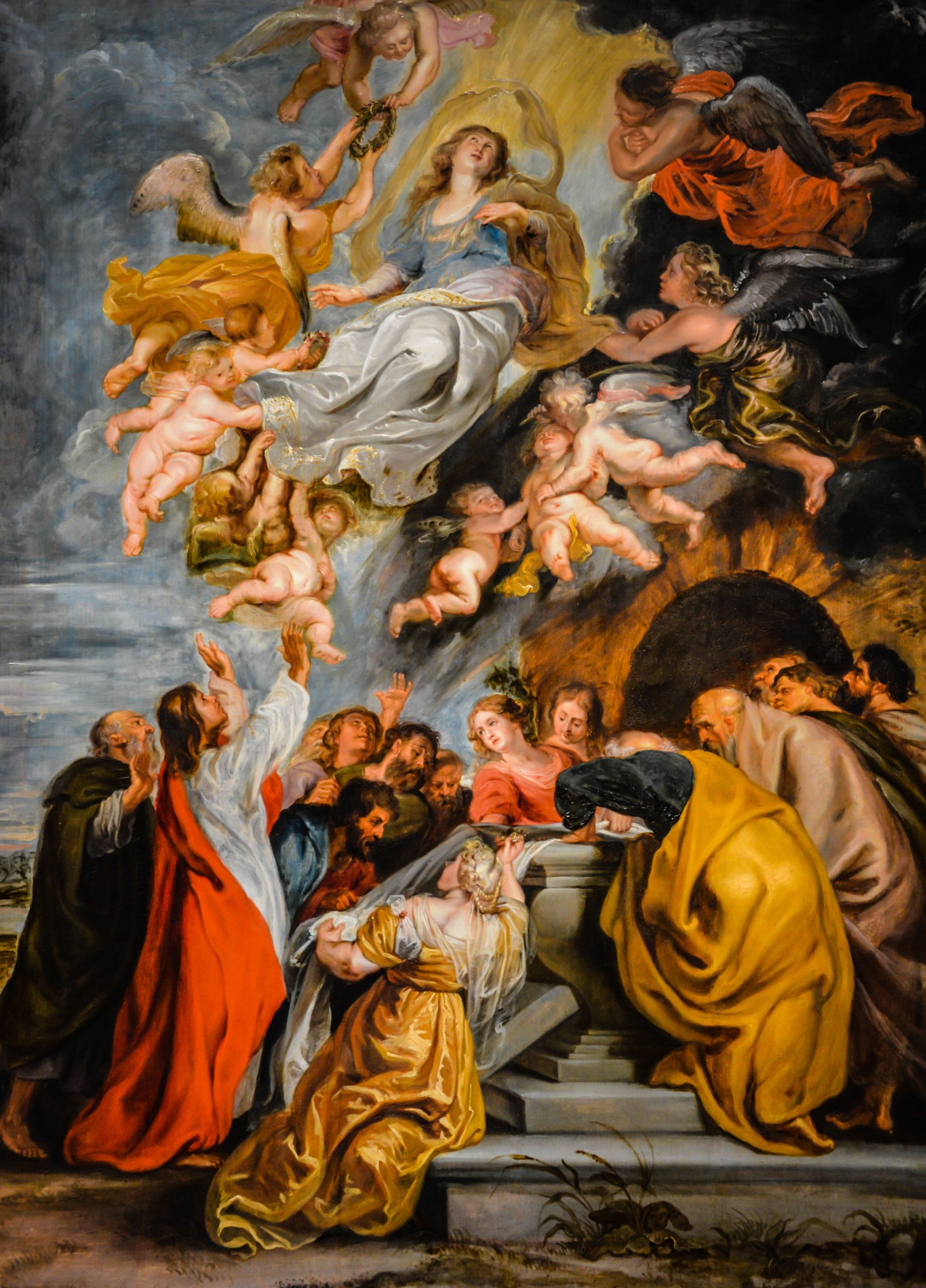
The Baroque was not a simple change of style, but a change of perspective that constituted the first modern shock in art history. If the Renaissance elevated man toward an ideal of perfection, the Baroque, in the 17th century, placed him at the center of a conflictive world, full of doubts and contrasts, and did so with an unprecedented visual language: drama, directed light, and a realism without idealization that directly engaged the viewer.
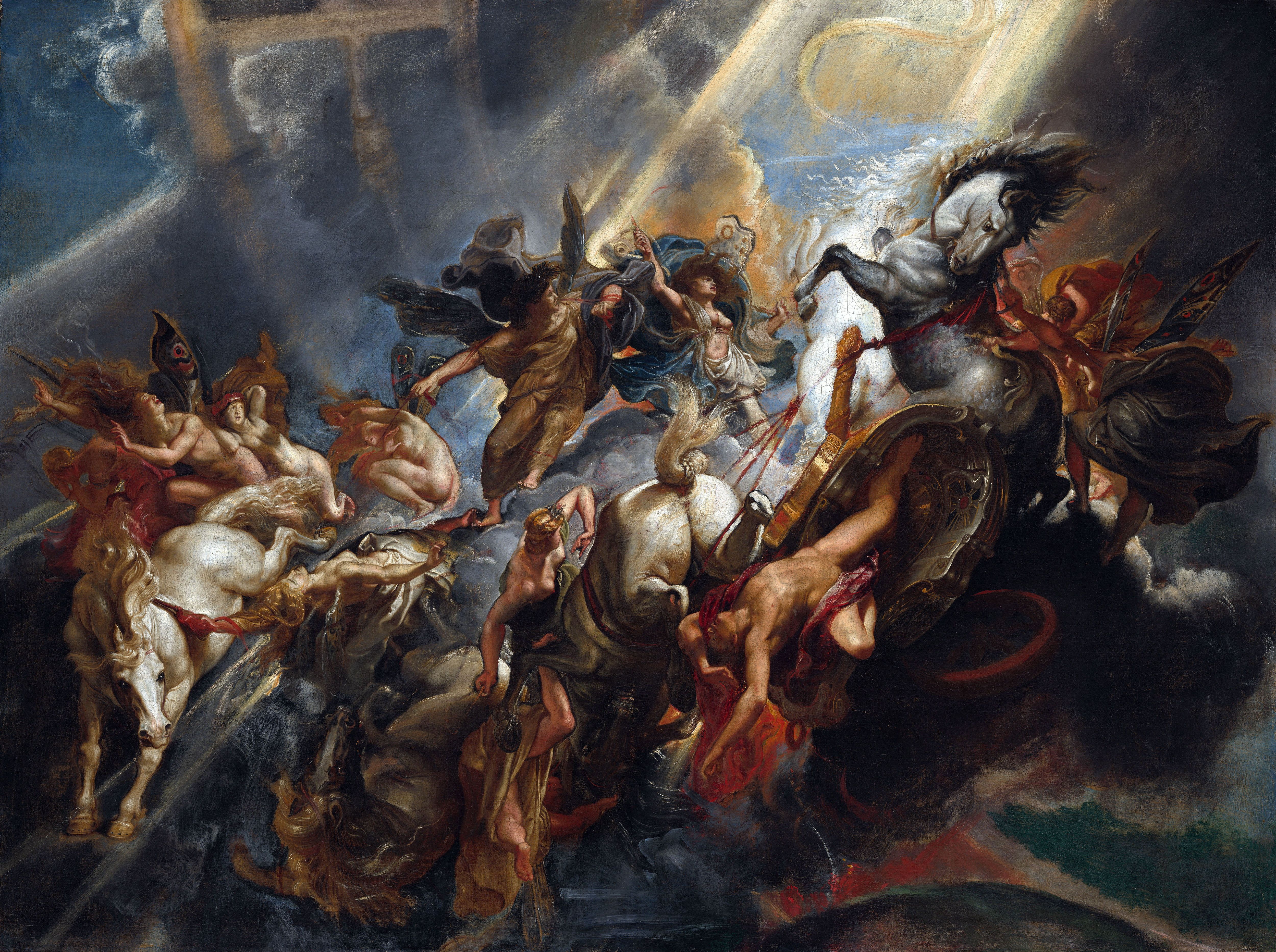
This movement emerged in an era of profound political and religious tensions, where the Catholic Counter-Reformation promoted a direct, sensorial, and emotive art as a tool of persuasion, in a context of consolidating absolute monarchies and scientific advances that reconsidered man’s place in the universe. The certainties of classicism were crumbling while Europe bled in wars of religion and Galileo’s telescope revealed that the cosmos did not revolve around Earth. Art responded to this crisis with an intensity that sought to move rather than convince, to feel rather than reason.
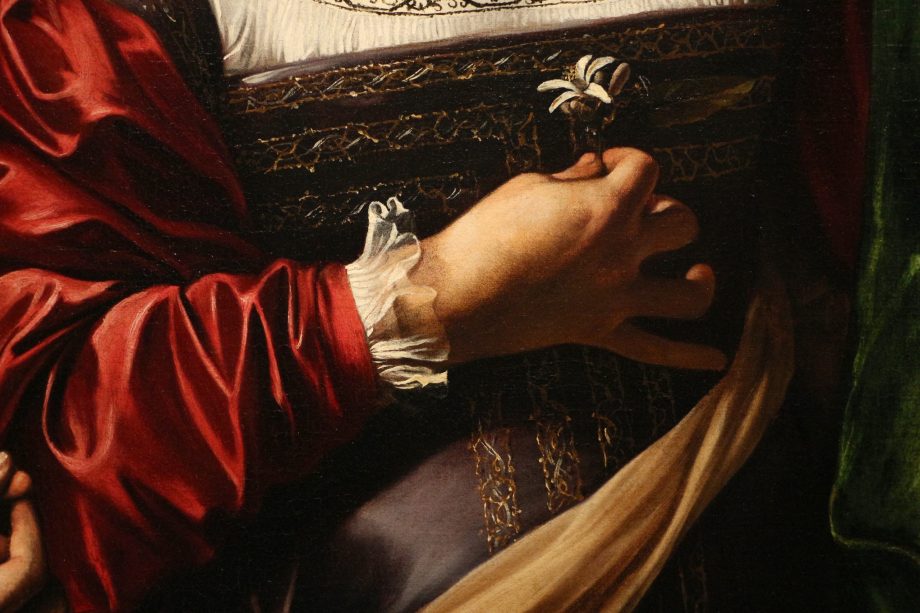
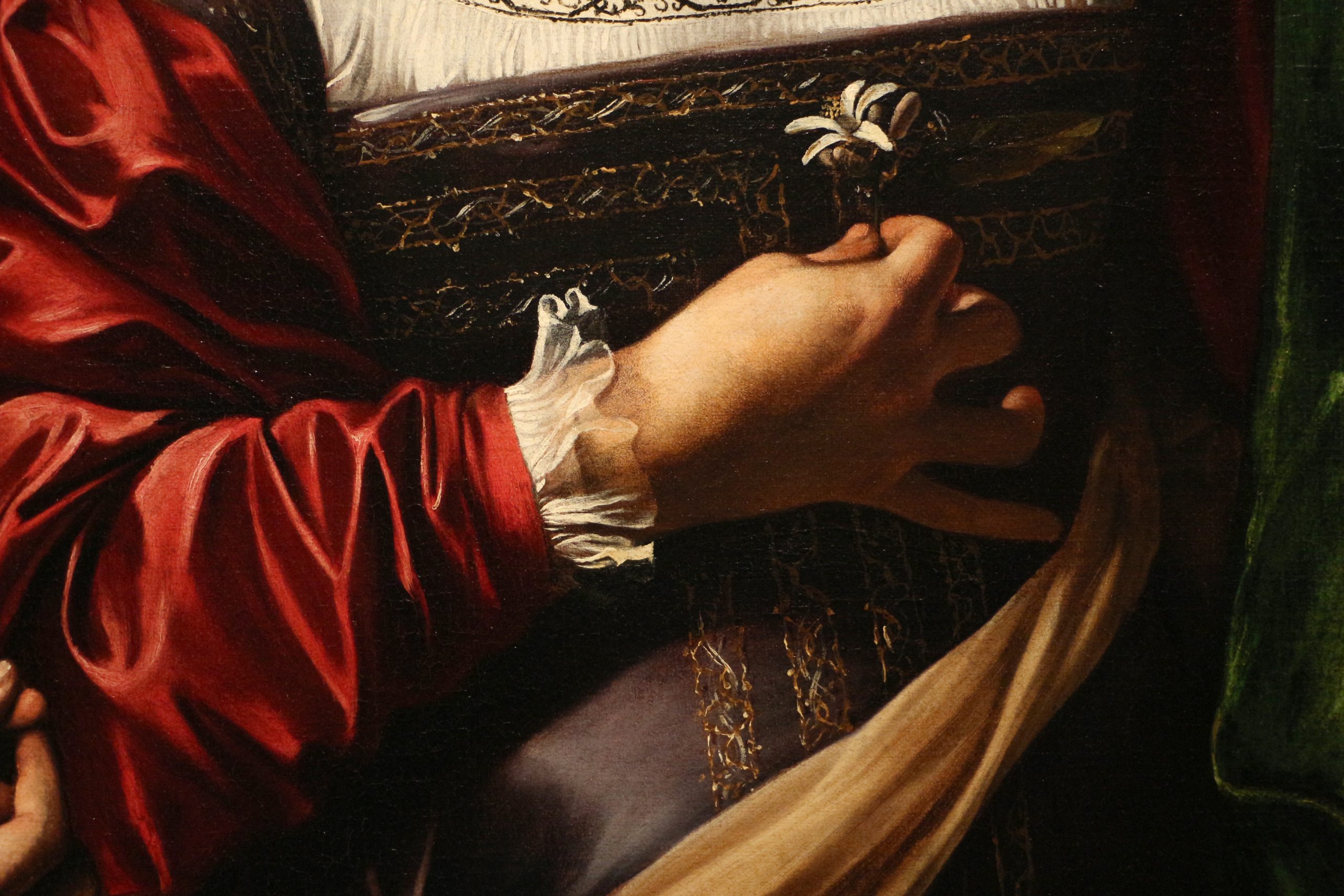
The essence of this modern turn is embodied in the work of two geniuses who revolutionized painting: Caravaggio and Diego Velázquez. Caravaggio inaugurated a new paradigm with a visual violence that scandalized as much as it fascinated. His technical innovation, tenebrism, consisted of a violent and directional light that emerges from darkness, modeling volumes and turning chiaroscuro into a fundamental dramatic and narrative element. But what truly unsettled his contemporaries was his decision to paint the sacred as if it were happening on the street next door. His legacy went beyond technique. Caravaggio broke with Renaissance idealization and Neoplatonism, introducing a radical naturalism in which sacred figures were portrayed by common people, with physical imperfections and everyday clothing. The apostles had dirty feet, the Virgin could be a woman from the Roman populace, and the death of a saint occurred with the same rawness as any death in a dark alley. This approach gave religious scenes an unprecedented physical and emotional immediacy, transforming the pictorial space into an extension of the viewer’s world.
There was no distance between the divine and the human, and that closeness was both unsettling and magnetic. His style, imitated by a legion of followers throughout Europe, became one of the pillars of international Baroque painting and demonstrated that art could be as visceral as it was intellectual. Diego Velázquez, starting from the premises of realism and chiaroscuro, took the Baroque to an even greater technical and intellectual sophistication. His role as court painter to Philip IV during the Spanish Golden Age did not limit him, but rather allowed him to explore psychological complexity and illusion from a privileged position where experimentation could coexist with protocol.
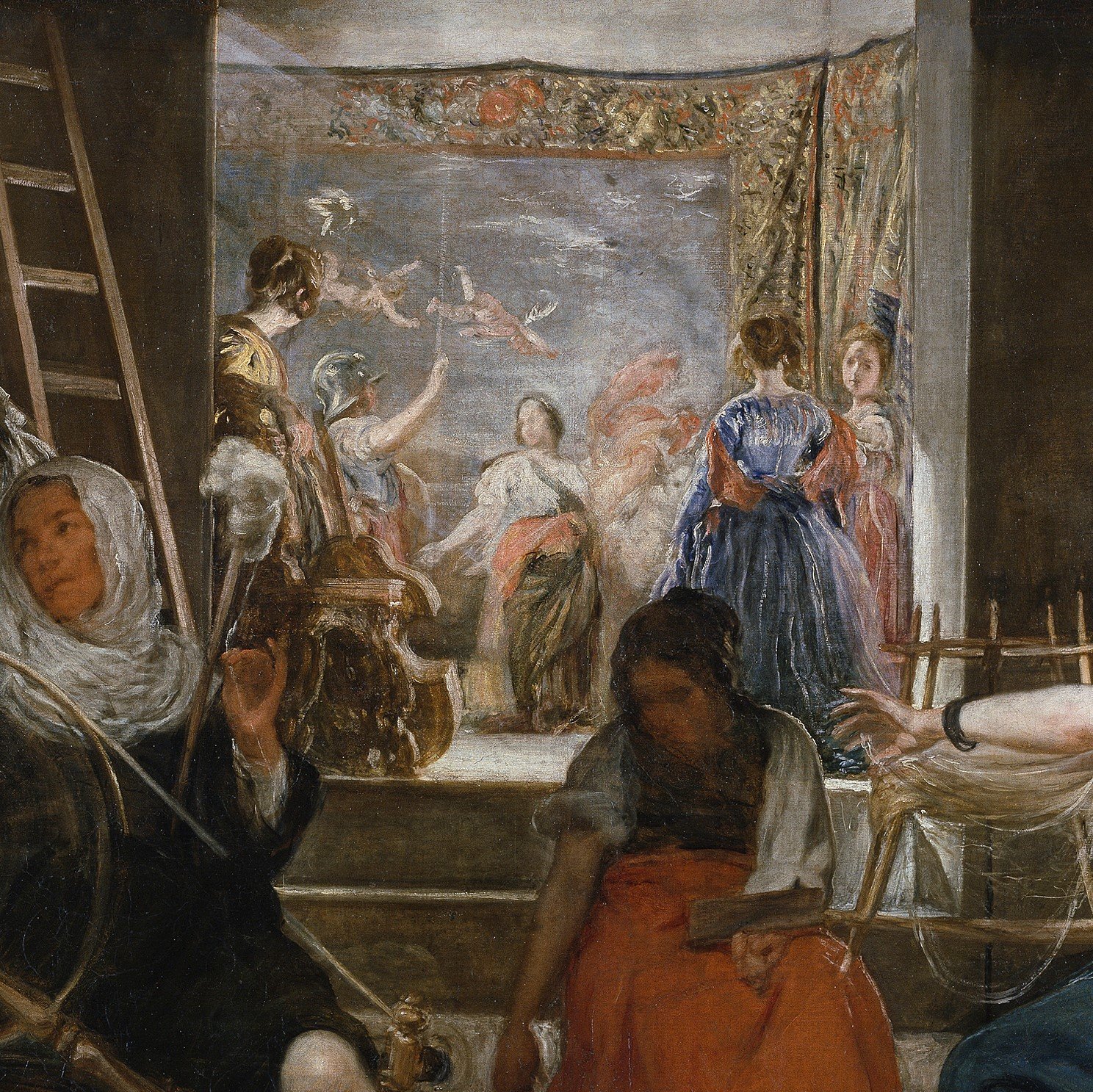
Velázquez observed the world with an almost scientific distance, but his paintings exude a profound humanity that never falls into sentimentalism. In his masterpiece, Las Meninas (1656), Velázquez consummates the modern shock by dismantling narrative conventions and turning the painting into a visual enigma. The painting is a reflection on the very nature of painting and perception, where the viewer is immersed in a game of gazes, mirrors, and planes of reality that question who is observing whom. We are the ones standing where the kings should be, while the painter looks at us from the canvas with an ambiguity that has fueled centuries of interpretations. In this and other works, Velázquez developed a loose and atmospheric brushstroke, applying layers of translucent paint to create effects of light and depth that anticipate centuries of art to come.
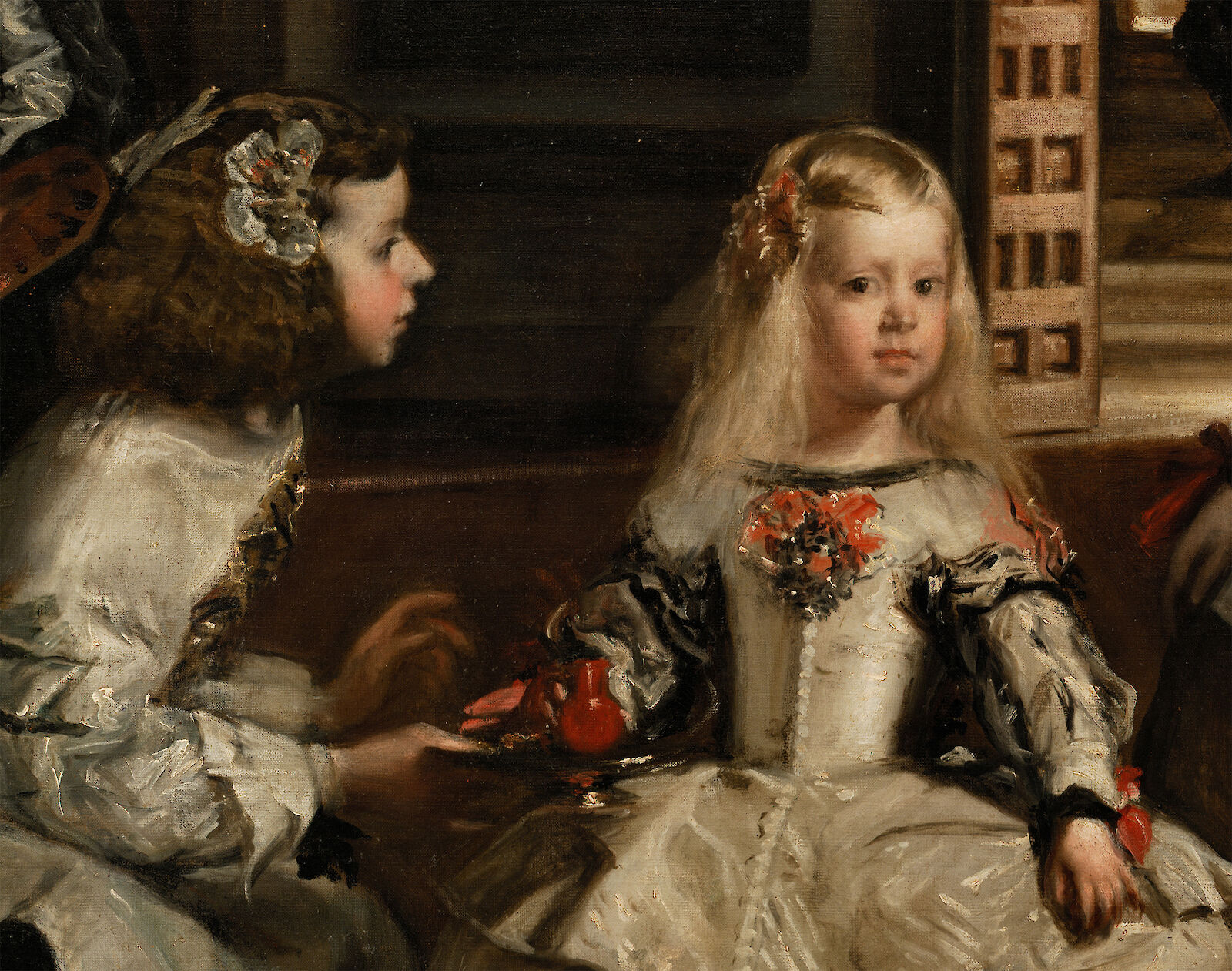
His portraits of dwarfs and court jesters, far from caricature or condescension, are exercises in dignity and psychology that show complete human beings, with their contradictions and their undeniable presence. Thus, the transformation brought about by the Baroque, through the work of these artists, laid the foundations of modern art. By prioritizing sensory experience over ideal harmony, psychological reality over allegory, and by positioning the viewer as an active part of the work, these artists forever changed the relationship between art and the observer. The painting ceased to be a window onto a perfect world and became an encounter, sometimes uncomfortable, with the real. The Baroque taught art to look without fear at darkness, doubt, and complexity, making the 17th century a decisive moment in which art began to look at the world, and at the human being, with a new intensity that we still recognize as our own today.
Piece with Artist MAGAZINE © jan 2026