January 29, 2026. WOrds by Suso Barciela. Piece with artist magazine.
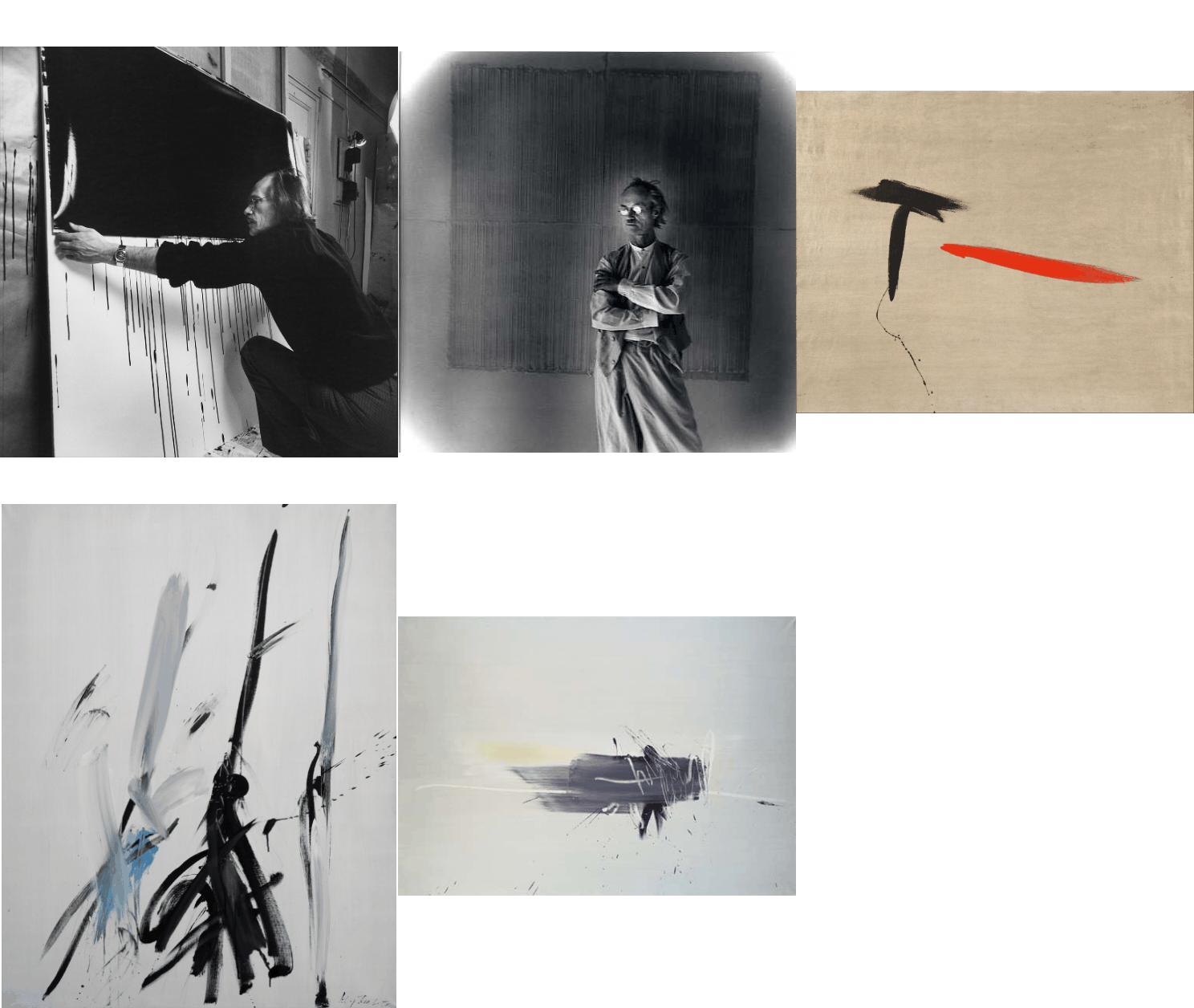
Art history sometimes plays hide and seek with certain names, keeping them in complete oblivion. Jean Degottex (Sathonay-Camp, France, 1918—Paris, France 1988) is one of those artists who deserve to occupy the forefront of any conversation about abstraction, yet through the whims of fate and critics, he has remained in an unjust, and almost cruel shadow and invisibility.
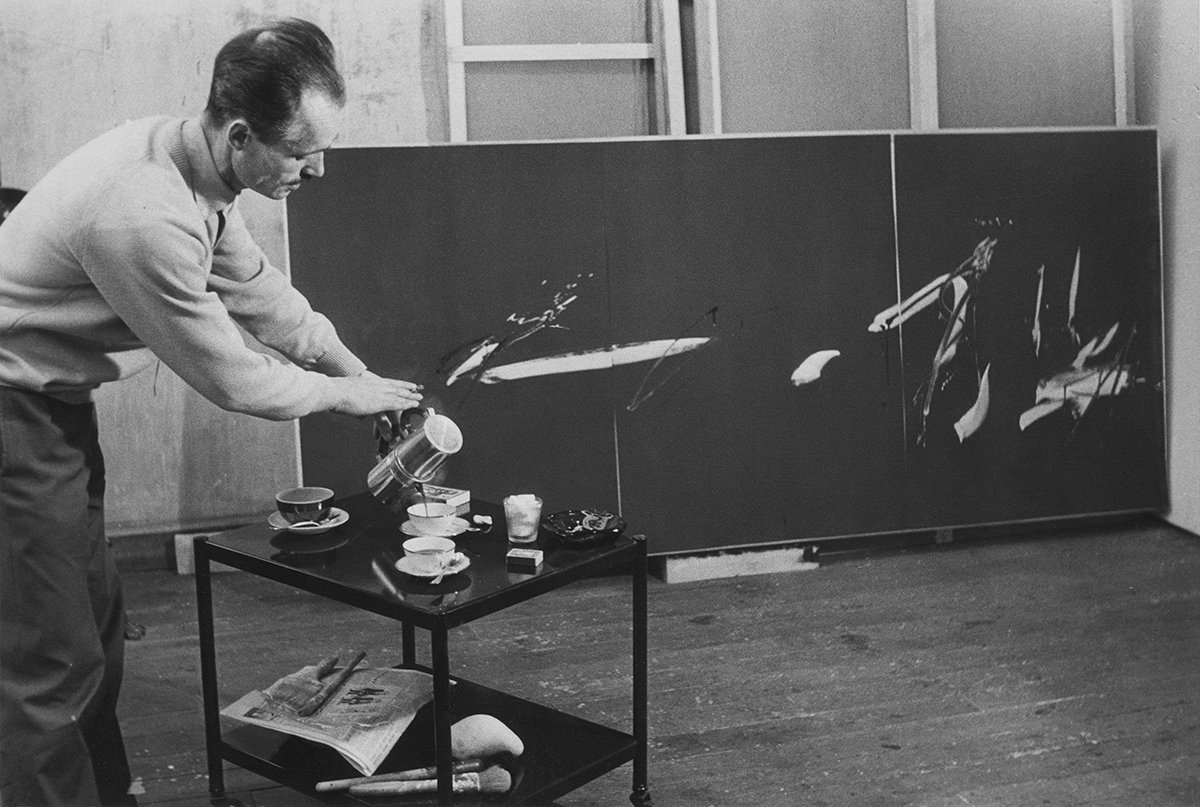
Degottex arrived in Paris as a mere teenager in 1933. A young man from the provinces landed in the world’s art capital at a time when the avant-gardes did not even know they were such. Between one thing and another, he did not start painting until five years later, but he quickly found his path in geometric abstract language, which later evolved into something much more intimate and personal. What truly makes Degottex unique is his almost mystical way of understanding painting. Although he drew from Zen Buddhism and the surrealism of André Masson, he created something entirely his own. For him, painting was vital, and I recall a phrase of his that precisely captures that thought: “I would like my painting to be a deeper breath,” he said.
He lived from 1918 to 1988, witnessing the most radical transformations of Western art. Even in his later years, in the 70s and 80s, he continued to evolve without losing his essence—something few artists achieve. The most unfair aspect of his relative obscurity is that he was ahead of his time; his art already spoke of themes central today: the dialogue between cultures, free spirituality, minimalist expression, the tension between the traditional and the new.Within European informalism and abstract expressionism, Degottex has always shone with his own light, though few recognized or recognize it. He was part of that movement which Michel Tapié called “Un art autre” in 1952, which spread across Europe, America, and Japan. In every stroke of his, there was an echo of Eastern calligraphy—a connection that greatly strengthened after his trip to Japan, which marked a before and after, forever transforming his way of seeing and making art.
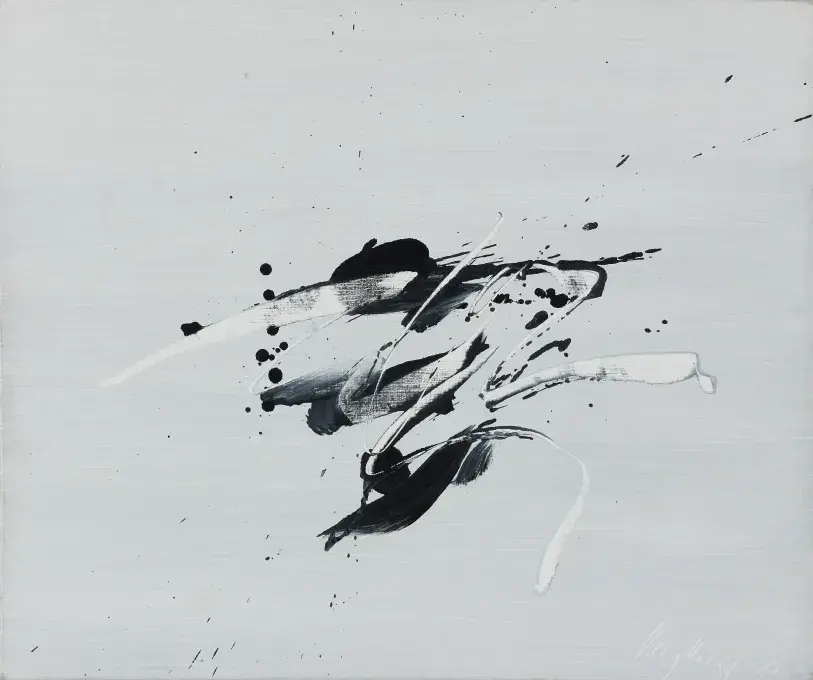
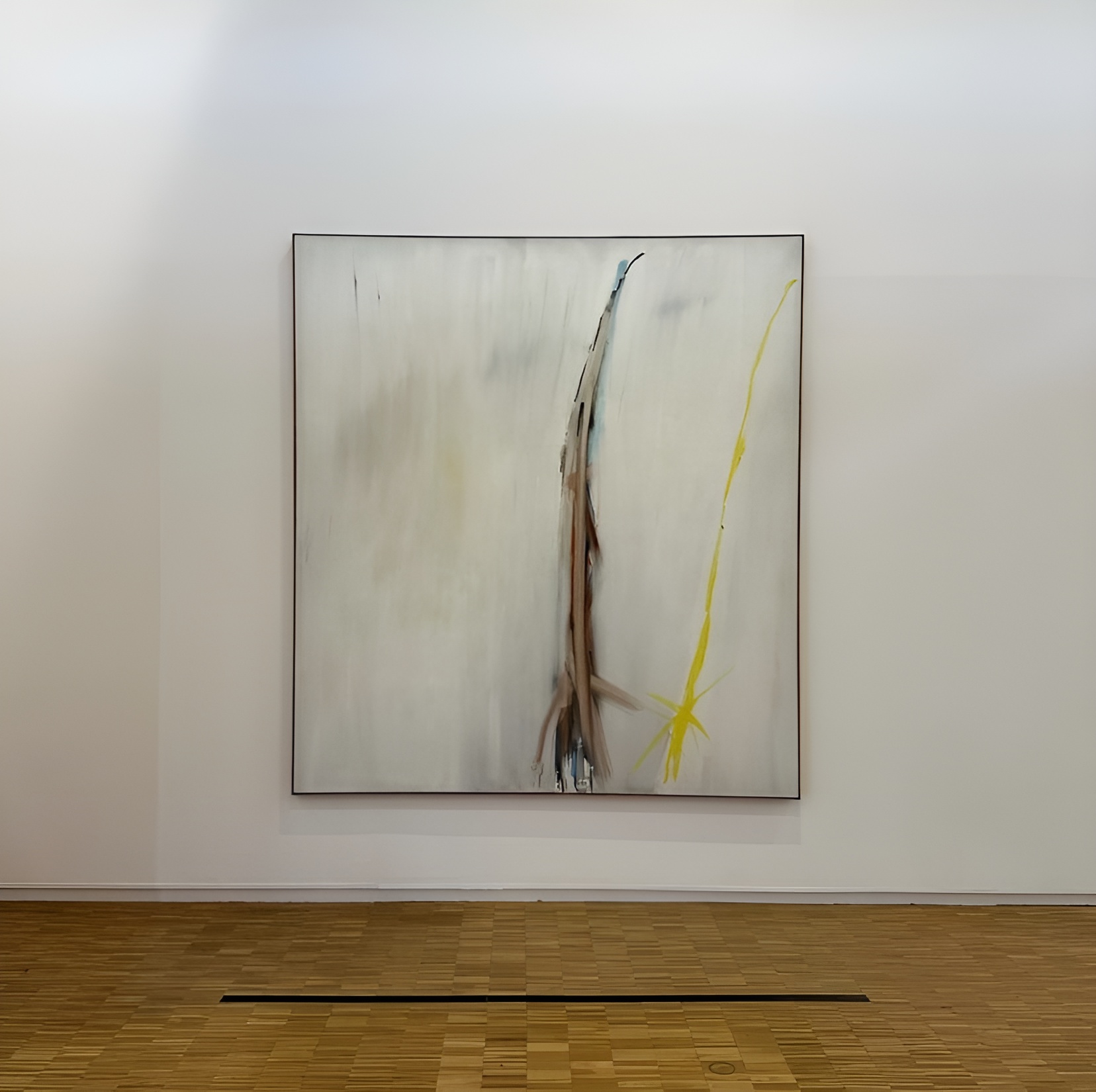
For him, calligraphy was not merely an aesthetic resource but a spiritual practice. His work is based on Zen philosophy, action painting, and Chinese calligraphy, and this foundation translates into works where every stroke lives, where silence dialogues with the presence of the gesture. Technically speaking, Degottex developed his own vocabulary that clearly distinguishes him from his contemporaries. His work showed the precision of the single stroke, the economy of Eastern means that says more with less, and his style is simply unmistakable. The works from the “Yugen” series (a Japanese concept referring to subtle, ineffable beauty) are perfect examples of this approach: minimal spaces where every element has its reason for being, where nothing is superfluous and everything is essential.It is sad that history has been so unfair to him, as I consider him one of the greats of abstraction in the second half of the 20th century. His approach to art was unique, seeking the sublime through contemplation and synthesis.
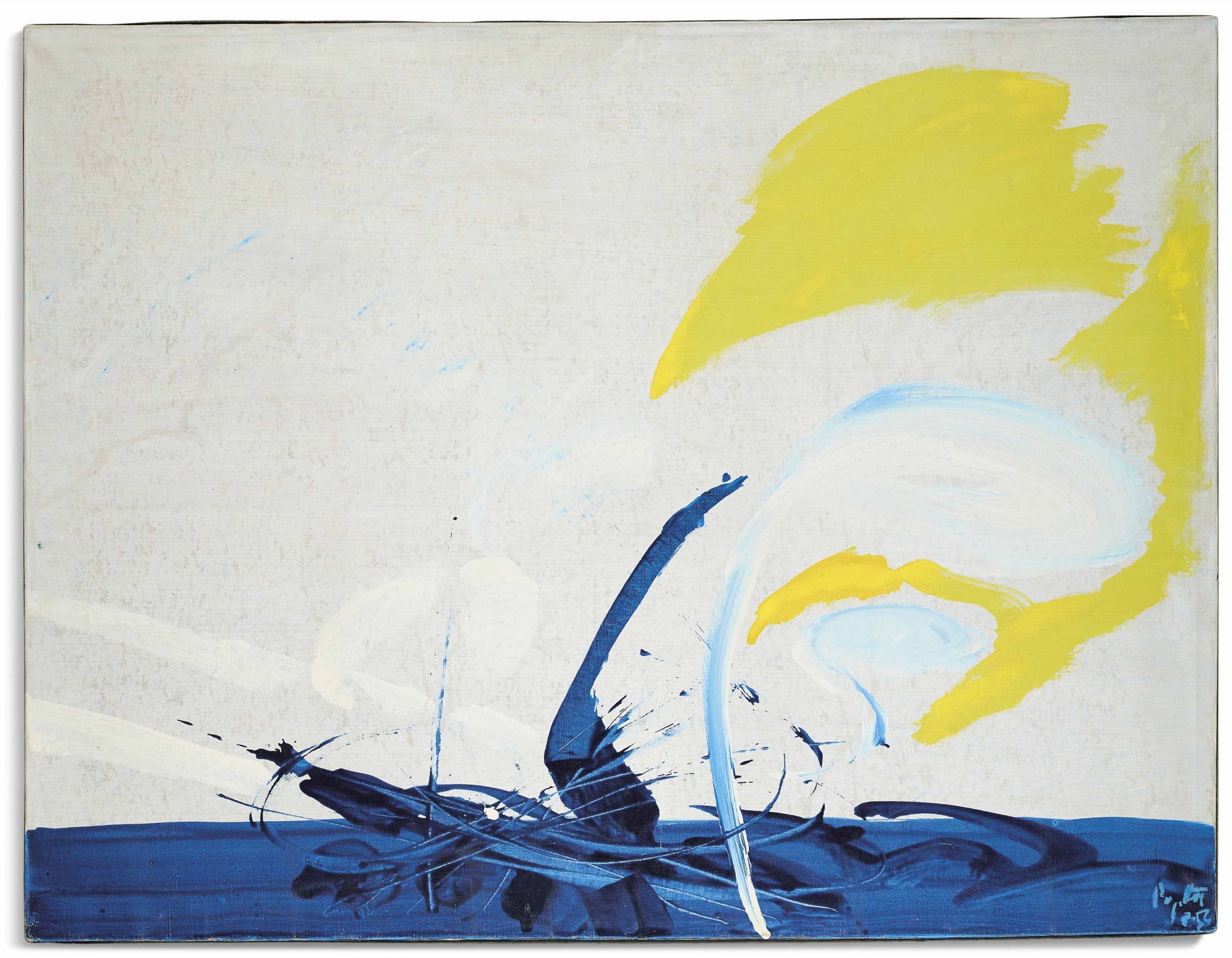
In the context of European informalism, Degottex represents a singular path that deserves reconsideration. His work is not simply a French variant of American abstract expressionism, but an autonomous proposal that draws from completely different sources and reaches its own conclusions. The influence of Zen is not decorative in his work but structural: it determines not only what he paints, but how he paints and why he paints… That is why discussing Jean Degottex today means championing a figure whom art history must rescue from the unjust background to which it has relegated him. His work constitutes a fundamental chapter for understanding not only the development of European abstraction but also the expressive possibilities it opened. Historiography must be fair and not forget him.
Piece with Artist MAGAZINE © jan 2026