JULY, 2026. words by aURONDA SCALERA & ALFREDO CRAMEROTTI. Piece with artist magazine.
Against the easy image
We were asked to name three artists we believe will shape what comes next. The easy version of this exercise is a forecast of the market. We have done something else. We have chosen three practices that, read together, describe a direction and the direction matters more than any single name. Lean Lui, Monia Ben Hamouda and Natalia Mejía Murillo work in different media, from different places, out of different inheritances. What binds them is a refusal: none of them lets the image arrive cleanly. Each takes an inherited system of looking, the photograph, the sacred mark, the map and declines to make it transparent. In a visual culture now saturated with frictionless, machine-made pictures, that refusal is not a retreat into craft or nostalgia. It is, to our eyes, the most forward-looking position available. What an image withholds has become as expressive as what it shows, and these three artists understand this with unusual clarity.
Lean Lui, born in Hong Kong, builds imaginary girls’ worlds. She has invented an island garrisoned by a battalion of girl soldiers, watched over by a crystal monument that promises the most ruthless weapons will guard the purest hearts; she has staged a figure in a white dress running out of the frame, lifted from a story in her childhood diary. Her touchstone is the Cottingley fairies, the two cousins who, in 1917, convinced a credulous public, Arthur Conan Doyle among them, that fairies cut from cardboard were real. What Lui took from that episode was not the hoax but the power: two girls, one camera, an entire reality made believable.
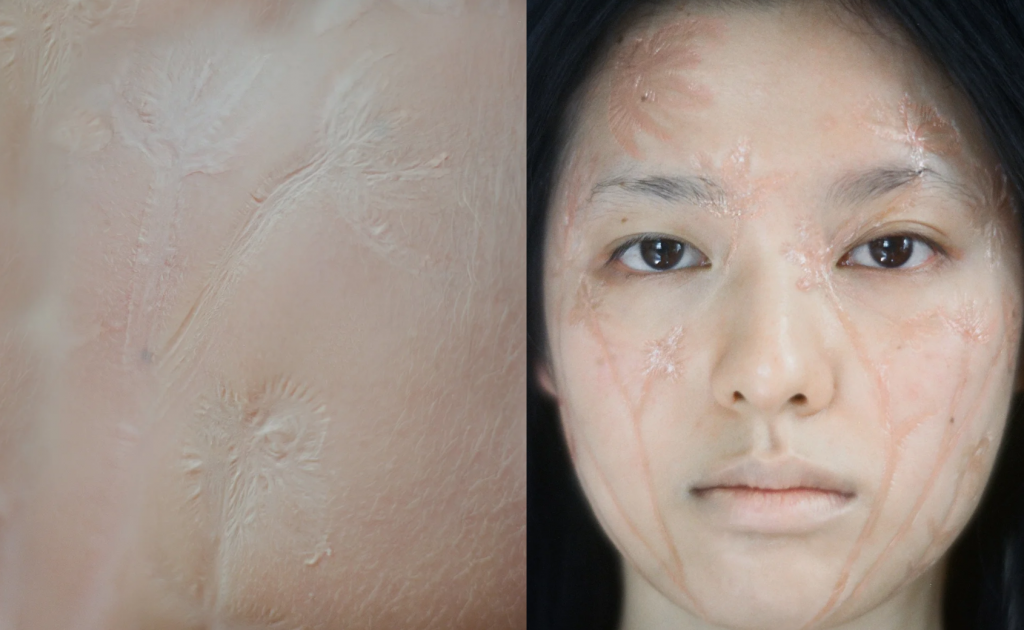
Her images are dense and accretive, pearls and nacre, the shadow of lace pressed into skin like a net, bows sewn into hair, rosebuds packed into dried lotus pods. Nothing is subtracted. She has written that her body registers a lie before her conscious mind does, and that sensitivity runs through everything she makes. The pictures function as a kind of self-portraiture by proxy: she asks her subjects to dress from their own wardrobes, because clothing here is identity, the evidence of where a person has chosen to stand.
Her ongoing “Girl’s Universe” loosens the visual language of consumer culture and the gendered gaze from the inside, rather than rejecting it from a safe distance. The girls in her images are never objects of looking; they are people who have chosen where to stand. Recognised early by the Three Shadows Photography Award and shown since from Hong Kong to Shanghai, Lui is now building toward larger solo presentations. As the authorship of images slides toward automation, her insistence on the photograph as a deliberate, situated act of fabrication feels less like a style and more like a stance. We think it is the right one.
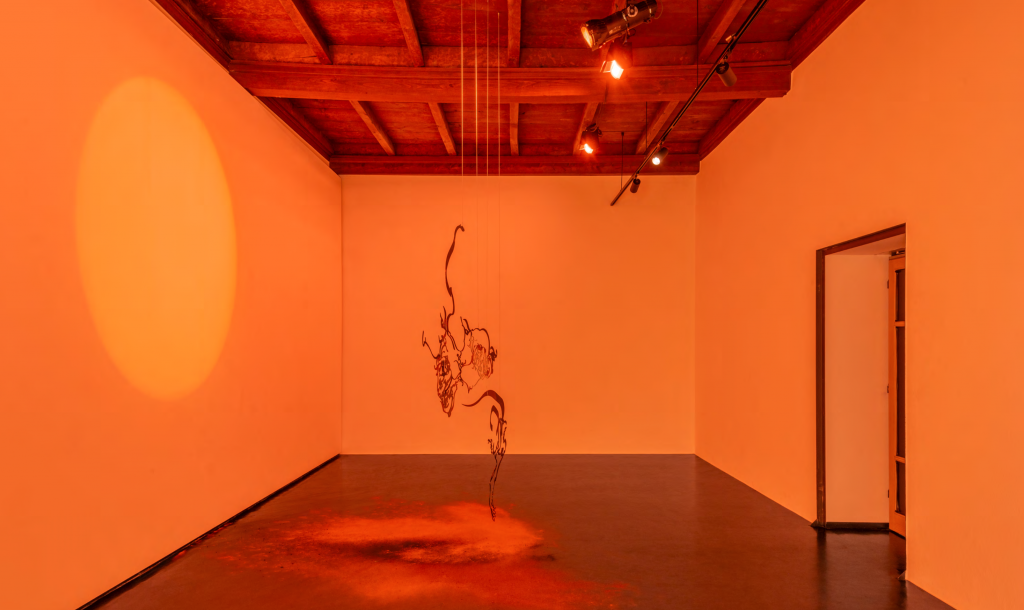
Monia Ben Hamouda works between Milan and Kairouan, trained both at the Brera Academy and, earlier, in Arabic calligraphy by her father. Her sculptures, laser-cut steel dusted with chilli, cumin, henna and charcoal, borrow the rhythm and gesture of script while refusing to resolve into anything legible. She calls this aniconism as a figuration urgency: an inherited tradition of withholding the depicted image, turned into a pressure that intensifies form rather than emptying it. The result hovers between writing and sculpture, image and abstraction, never settling into one.
Her materials carry their own histories. Spices long used in cooking, medicine and ritual across North Africa and West Asia become at once pigment and preservative, laid in dense veils over steel and salvaged wooden beams. Scent fills the room; residue settles on the floor; ancestral memory is made physically present, something you breathe as much as see. Her recent work organises itself around the eclipse, the astronomer’s “path of totality,” that brief moment when daylight collapses and then returns, a cosmology of rupture and renewal rather than resolution. It is a way of thinking about the present as a thing that darkens and recovers, never finished.
Ben Hamouda won the MAXXI BVLGARI Prize, is present in museum collections from Rome to Zurich, and the 2026 Venice Biennale have already placed her among the talents to watch: her work shows where the most charged contemporary practice is heading, which is toward honouring a constraint rather than breaking one. That lesson will outlast her current moment, and it is why she belongs in this list of powerful female artists.
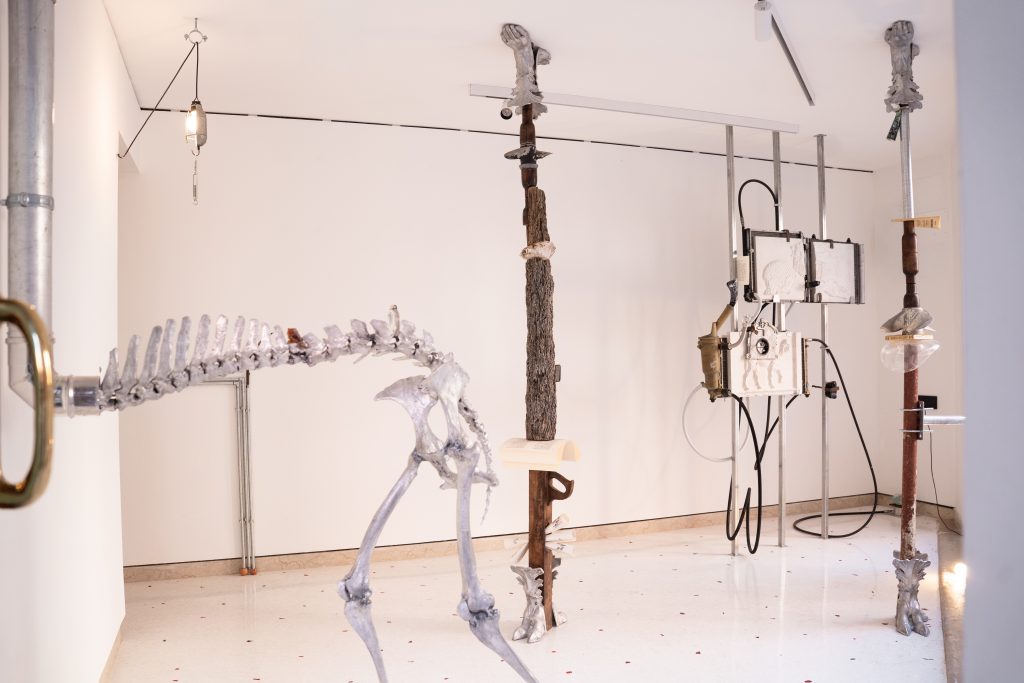
Natalia Mejía Murillo, born in Bogotá and trained as a printmaker and painter, draws her vocabulary from astronomy, cartography and archaeology, three disciplines that each try to measure the world and each fail, productively, at the edges. Across series such as Sedimentos, Two Collapses and Denaturalizations, her surfaces accumulate: sediment, palimpsest, trace, residue. Her maps behave like unstable records, and territory, in her hands, is something that layers and resists being flattened.
Printmaking gives her a logic to think with pressure and repetition, the matrix that holds a trace long after the gesture that made it. She extends that logic into installation and works on paper, treating the map not as a tool for mastering space but as a record that erodes, drifts and contradicts itself. The work asks what a measurement leaves behind, and what it quietly leaves out.
That resistance is the point. Against the screen’s logic of compression, where everything is rendered smooth and instantly available, Mejía treats time and place as things that build up, erode, and refuse to be made frictionless. Her recent path, fellowships and residencies from the Folger Shakespeare Library and MASS MoCA to the John Michael Kohler Arts Center, Casa de Velázquez and the Fundació Miró Mallorca, and a 2024–25 residency at the Fire Station in Doha, where we work and watch the field closely, suggests an artist steadily assembling a serious, slow, sedimentary body of work in a culture that rewards speed.
Why these three, now
Place them side by side and the argument completes itself. A constructed photograph, a sacred mark held just short of legibility, a map that refuses to settle: three ways of insisting that the image is a negotiation of different paths. If the near future of art has a shape, we suspect it looks like this, not louder artworks, little details that ask to be earned.
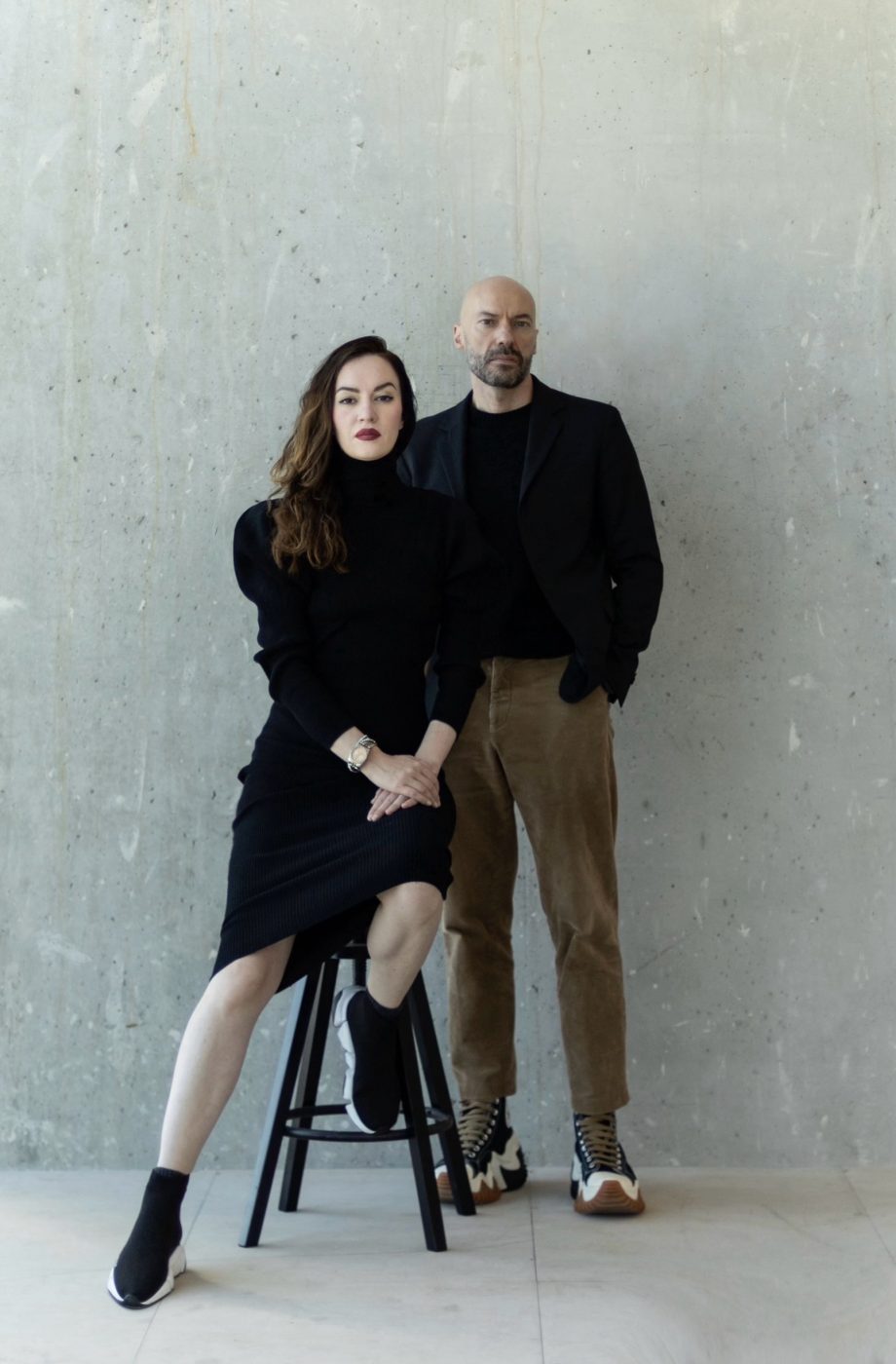
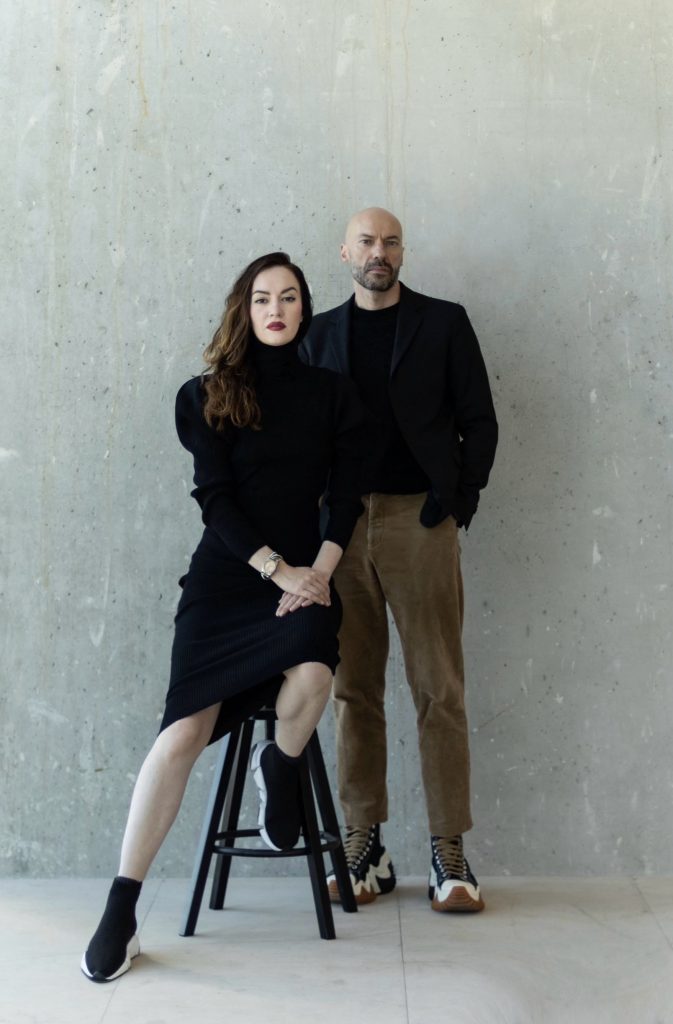
Alfredo Cramerotti & Auronda Scalera
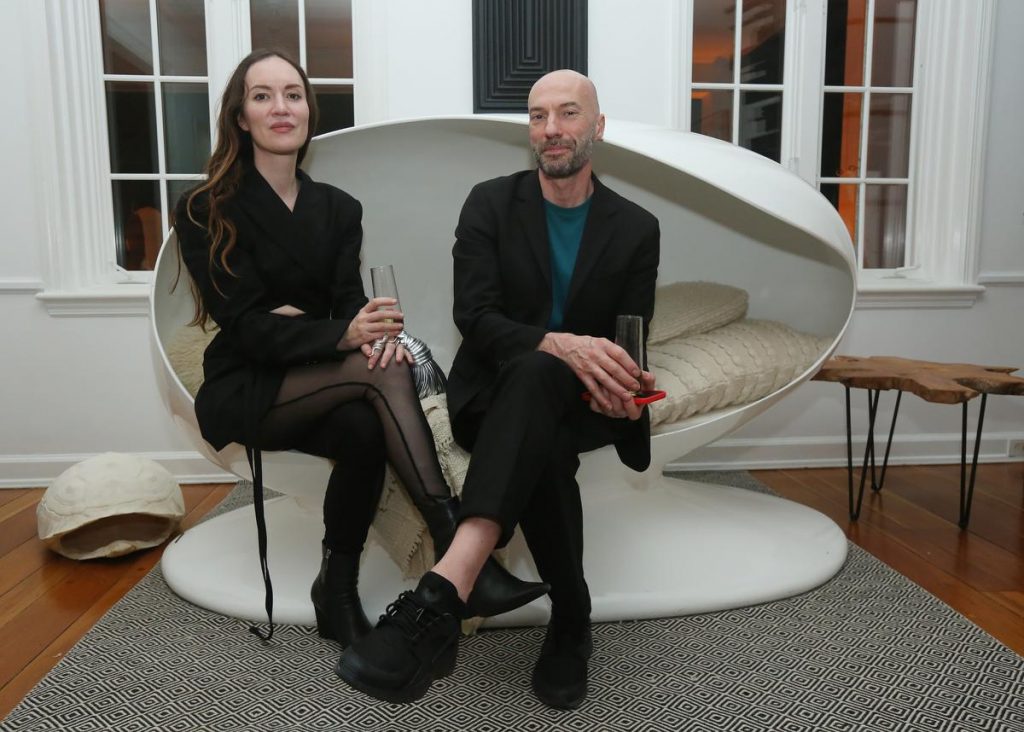
Auronda Scalera is an Artistic Director, Curator, and Creative Strategist based in London and Doha. Dr. Alfredo Cramerotti is Director of the Media Majlis Museum at Northwestern University Qatar and President of IKT (International Association of Curators of Contemporary Art).
Together they form one of contemporary art’s most prominent curatorial partnerships, with recent projects including Cosmotechnics: Ding Yi as a Planetary Code (Fondazione Querini Stampalia, in occasion of the Venice Biennale), Sougwen Chung: Body Machine (Meridians) (Palazzo Citterio, Museum of Digital Art, Milan), and 404_LAND: Territory Not Found (HEK Museum Basel in collaboration with Tezos Foundation).
Piece with Artist MAGAZINE © JULY 2026
@piecewithartist
@aurondascalera
@curatorview